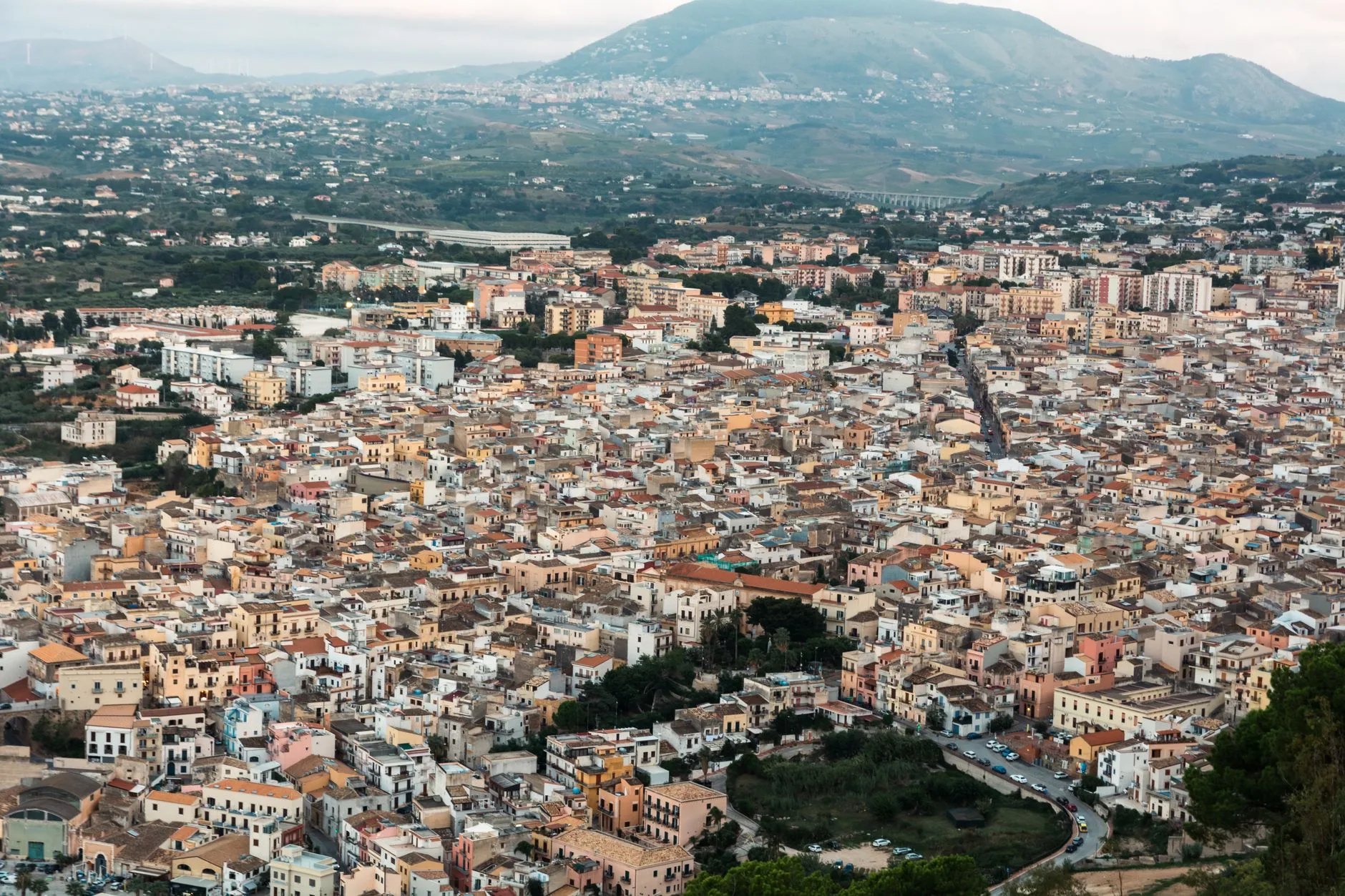
Photo by Davide Negro on Pexels
Sicily is Italy’s largest island and its most misunderstood. The travel writing about Sicily tends to run in one of two directions: either it’s presented as a destination for ancient ruins and mafia history, or as a short-haul sun holiday. Both miss what makes a month here genuinely rewarding — the specific quality of the food culture, the layered history visible in a single afternoon’s walk through almost any town in the interior, the way the island’s Greek, Arab, Norman, and Spanish inheritance has produced something entirely distinct from mainland Italian culture.
A month is enough to feel this distinctness rather than just observe it. It’s the difference between eating in a restaurant because it’s in the guidebook and knowing which bar makes arancini worth walking across town for.
Where to Base Yourself
Sicily is large enough that one base doesn’t cover everything. Most slow travellers choose two or three:
Palermo — the capital is the most complex city on the island: medieval markets (the Ballarò, Capo, and Vucciria are three of the most visceral street markets in Europe), Norman-Arab architecture including the Palatine Chapel, a street food culture that is arguably the best in Italy, and a density of baroque churches that can induce sensory overload. Worth at least 10–14 days for anyone interested in food, architecture, or the sheer lived strangeness of a city that has been everything from an Arab emirate capital to a Norman kingdom to a Bourbon possession.
Syracuse (Siracusa) — the island’s ancient Greek capital, and one of the most important cities in the ancient Mediterranean world. The archaeological park (Neapolis) contains the best-preserved Greek theatre in the world, still used for performances in May and June. Ortigia, the ancient island at the heart of the modern city, is a Baroque labyrinth of narrow streets, fish markets, and aperitivo bars. Good base for the southeastern corner — Valle dei Templi at Agrigento (2.5 hours west), Noto (30 minutes), and Ragusa (1 hour).
Trapani and the west — smaller, quieter, and the gateway to the salt pans, Erice (a medieval walled town on a mountain above the city), and the Egadi Islands offshore. The west is less visited than Palermo or Syracuse and has a character of its own — slower, more salt air, better seafood, no particular reputation to live up to.
Cefalù — a small Norman city on the north coast, 70km east of Palermo, with a 12th-century cathedral and a beach that is genuinely good from June to September. Better as a week-long base than a day trip from Palermo; renting an apartment here and using it as a quieter base while making day trips to Palermo and the Madonie mountains to the south works well.
Getting Around
A car is useful but not essential for a slow month. It’s the only practical way to reach interior towns and rural areas, but the cities and coastal rail corridor are manageable without one.
Rail: The rail network along the north and east coasts is functional if slow. Palermo–Cefalù–Messina runs along the north coast (Cefalù 45 minutes from Palermo; Messina 3 hours). Messina–Catania–Syracuse runs the east coast (Catania 1.5 hours from Messina; Syracuse 1 hour from Catania). The interior is poorly served by rail — reaching Agrigento from Palermo by train takes 2+ hours and involves changes.
Buses (SAIS, Autolinee Federico): Buses cover routes not served by train, including Palermo to Agrigento, Palermo to Trapani, and Catania to various interior destinations. Often faster than trains on the same routes.
Car rental: From around €30–50/day for a small car in shoulder season. Essential if you want to explore the Madonie or Nebrodi mountain parks, the wine areas around Marsala, or towns like Piazza Armerina (Villa Romana del Casale mosaics) and Caltagirone (ceramic tradition).
What to Eat and Where to Find It
Sicilian food is not Italian food with a regional accent. It is a distinct cuisine shaped by Arab influence (the sweet-sour combination in agrodolce dishes; couscous in Trapani; almonds and citrus in pastries), Norman food traditions, and extreme local ingredient quality.
Essentials to eat:
- Arancini/arancine: Rice balls stuffed with ragù, peas, and cheese (or variations), then fried. The shape differs by region — oval in Palermo (arancine), conical in eastern Sicily (arancini). Best from a rosticceria early in the day when they come out of the fryer.
- Pasta con le sarde: Sardines, wild fennel, pine nuts, raisins, and saffron over pasta — a dish that makes no sense until you taste how well it works.
- Caponata: Sweet and sour aubergine stew — the Palermitan version has at least 12 ingredients and bears almost no resemblance to the mainland Italian one.
- Granita: The Sicilian version is coarser and more intensely flavoured than elsewhere in Italy; coffee granita with a brioche bun for breakfast is the standard.
- Street food in Palermo: The Ballarò market sells stigghiola (grilled intestines), pani ca’ meusa (veal spleen sandwich), frittola (fried offal), and sfincione (thick pizza with onion, anchovies, and breadcrumbs). Much of this is not available outside Palermo.
Where to eat: Ask locally, not the guidebook. The restaurant recommended in a publication from two years ago may have changed ownership, quality, and price. Look for restaurants where locals eat lunch — the €10–12 fixed lunch (pranzo fisso) at a table of Sicilian families is a better guide than any review.
| Food experience | Where to find it | Cost |
|---|---|---|
| Morning arancina | Palermo: Bar Touring, Antica Focacceria | €1–2 |
| Market lunch | Ballarò market stalls | €3–8 |
| Pasta con le sarde | Most trattorias in Palermo | €10–15 |
| Granita con brioche (breakfast) | Any bar in Sicily | €2–3 |
| Almond pastries (marzipan) | Pasticceria in Palermo or Erice | €1–3 each |
Outside the Cities
The Madonie and Nebrodi mountains — Sicily has real mountains in the interior, with beech forests, medieval hilltop villages, and almost no tourists outside summer. The Madonie park around Petralia Soprana and Petralia Sottana has good walking trails and excellent local food. Visiting in March or April means snow on the higher peaks, wildflowers in the valleys.
The Aeolian Islands (Isole Eolie) — a chain of volcanic islands off the north coast, accessible by hydrofoil from Milazzo (1 hour by train from Messina). Stromboli has an active volcano you can walk up (guide required by Italian law for the upper section). Filicudi and Alicudi are nearly car-free and largely untouristy outside July/August.
Agrigento and the Valle dei Templi — the best-preserved ensemble of Greek temples outside Greece itself. Seven temples in a valley above the sea, two largely intact. Visit in the late afternoon when the light on the Tempio della Concordia is at its best and most coach tours have left.
When to Go
- March–May: The best shoulder season. Wildflowers in the interior, almond trees in bloom in February, warm enough on the coast without summer heat, empty of most tourists.
- June–August: Hot (35°C+ inland), peak tourist season on the coast, prices highest. Interior towns remain cooler and quieter.
- September–October: Second-best season. Sea still warm, coastal crowds thinning, grape harvest in the wine areas.
- November–February: Mild on the coast, cold in the mountains. Most beach infrastructure closed. Palermo and Syracuse fully functional and refreshingly quiet.
Conclusion
A month in Sicily works best when you resist the temptation to cover everything and instead let two or three places become genuinely familiar.
- Palermo deserves at least 10 days — long enough to move past the tourist circuit and into the city’s actual rhythms
- The south and southeast (Syracuse, Noto, Ragusa) are architecturally extraordinary and less frenetic than the capital
- Rent an apartment, not a hotel room — cooking with market ingredients, eating as a local eats, is the most direct way into Sicilian food culture
- Avoid interior destinations without a car — the most interesting villages are not on bus routes
- Come in spring or autumn — March–May and September–October offer the best combination of weather, accessibility, and low crowds
Keep reading: Slow travel in rural Italy