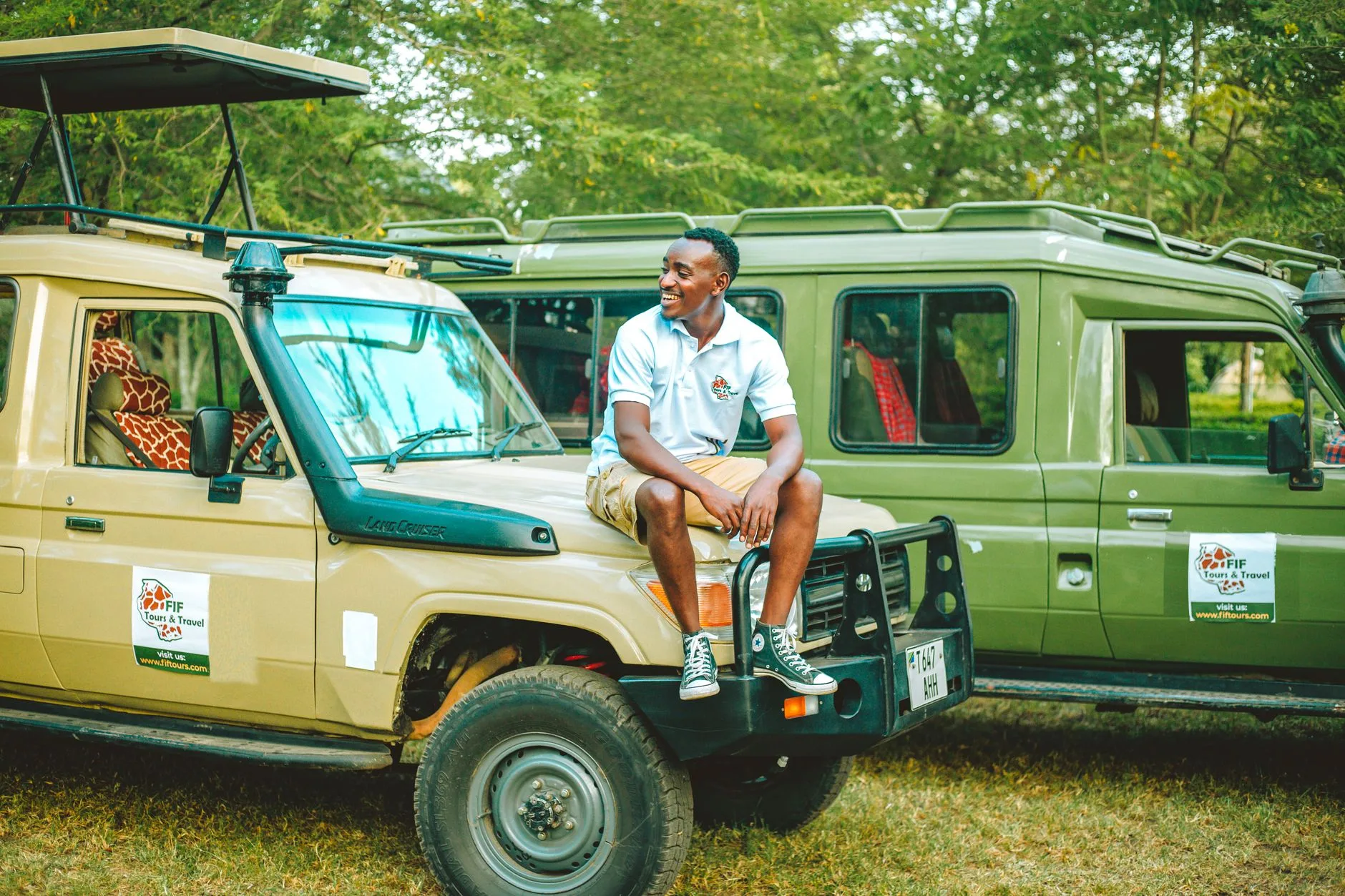
Photo by Dennis Julius on Pexels
Kenya is where the modern safari was invented — and it remains one of the best places in the world to see wildlife in volume and variety. The Masai Mara, Amboseli, Samburu, and Tsavo cover different ecosystems and different wildlife concentrations, and the infrastructure for visitor access has been refined over decades.
A first safari in Kenya is one of those travel experiences that genuinely surpasses expectations — not because expectations are low, but because the scale and immediacy of African wildlife on the open plains is something photographs don’t adequately convey.
Getting In
Visa: Most nationalities including UK, EU, and US require a visa for Kenya. Apply online at evisa.go.ke — the e-Visa costs approximately $51 and is typically approved within 72 hours. Apply at least a week before travel.
Flights: Direct flights from London to Nairobi (NBO, Jomo Kenyatta International) take approximately 8.5 hours. British Airways, Kenya Airways, and KLM (via Amsterdam) are the main carriers. Kilimanjaro (Tanzania) and Mombasa (KE coast) are useful alternatives for specific itineraries.
Which Parks to Prioritise
Masai Mara
The most famous and most visited game reserve in Kenya — an extension of the Serengeti ecosystem across the Tanzanian border. The Mara is the setting for the annual wildebeest migration (July–October), when approximately 1.5 million animals cross the Mara River from the Serengeti in search of grazing. Even outside migration season, the Mara has among the highest lion density and “Big Five” concentrations in Africa.
The downside of the Mara is its popularity — in peak season, several vehicles can crowd a single lion sighting. Choosing a camp in the private conservancies surrounding the reserve (Olare Motorogi, Naboisho, Mara North) gives access to the same wildlife with significantly fewer vehicles and — in some cases — the ability to do walking safaris and night drives prohibited in the main reserve.
Amboseli
Famous for large elephant herds and views of Mount Kilimanjaro across the Tanzanian border (when weather permits). The landscape is different from the Mara — open marshland and acacia woodland — and the photographic opportunities with elephants against Kilimanjaro as a backdrop are exceptional. Amboseli has fewer visitors than the Mara and is typically cheaper.
Samburu
A northern reserve with a different set of wildlife: reticulated giraffe, Grevy’s zebra, Beisa oryx, and Somali ostrich — species found here but not in southern Kenya. The Ewaso Ng’iro river runs through the park and attracts large crocodile populations. For wildlife photographers seeking something beyond the standard Mara circuit.
Tsavo East and West
The largest park in Kenya — combined area bigger than Wales. Tsavo is wild, remote, and significantly less visited than the Mara. Famous for its red elephants (who roll in the red laterite soil), large buffalo herds, and the vast lava fields of the Chyulu Hills in the west. Self-drive is feasible here in a way it isn’t in the Mara.
Naivasha and Hell’s Gate
Lake Naivasha (3 hours from Nairobi) is a freshwater lake with hippos and a large bird population — accessible as a day trip or overnight from the capital. Hell’s Gate National Park, adjacent to the lake, allows cycling and walking within the park (unusual in Kenya) — gorge hiking, geothermal activity, and wildlife including buffalo, zebra, and giraffe.
Safari Options and Costs
Budget campsites within reserves: Available in Masai Mara, Amboseli, and Tsavo. Basic bandas (simple accommodation) or tented camps within the reserve. Cheapest option inside the parks.
Mid-range tented camps: The standard for most first-time visitors — comfortable tents with en-suite facilities, meals included, and game drives in 4WD vehicles. Expect £150–350/person/night, all-inclusive, in the Mara. Lower in Amboseli and Tsavo.
Luxury lodges and conservancy camps: £400–800+/person/night, all-inclusive. Private conservancy access, better game viewing ratios, walking safaris, night drives. The premium is significant but the experience difference is real.
Self-drive safaris: Feasible in Naivasha, Hell’s Gate, and parts of Tsavo. Not recommended in the Mara for first-timers — navigation and off-track driving in thick grass require experience.
Fly-in vs drive-in: Flying to the Mara from Nairobi (45 minutes vs 6–8 hours road) costs approximately £150–200 each way and significantly improves the experience — the road is long and rough.
What to Pack
- Neutral-coloured clothing (khaki, green, tan) — avoid bright colours that may disturb wildlife
- Layers — mornings on the Mara are cold (7–12°C) even in summer; afternoons are warm (25–30°C)
- Sunscreen and a hat
- Binoculars (essential for bird identification and for spotting distant wildlife)
- Camera with a telephoto lens if photography is a priority
- Malaria prophylaxis (required for Mara, Amboseli, and coastal Kenya)
Best Time to Visit
July–October: Peak season — the wildebeest migration is in the Mara from July, with river crossings typically August–October. Excellent for all wildlife; high-season prices.
January–March: Short dry season — good wildlife viewing, lower prices than peak, and excellent bird diversity.
November–December: Long rains — some camps close; roads can be impassable in Amboseli. Not ideal.
May–June: Long rains tapering — green season with lush landscapes, lower prices, and baby animals.
Conclusion
Planning a first Kenya safari well makes the difference between a good trip and an extraordinary one:
- Book conservancy camps in the Mara rather than the main reserve — fewer vehicles, better experiences
- Fly to the Mara rather than drive — 8 hours on a rough road is a poor start to a first safari
- Include Amboseli for Kilimanjaro views and elephants — a very different atmosphere from the Mara
- July–October for the migration, January–March for good wildlife at lower cost
- Malaria prophylaxis is essential for the main game parks — consult your GP before travel
Keep reading: First time in Ethiopia: practical travel guide