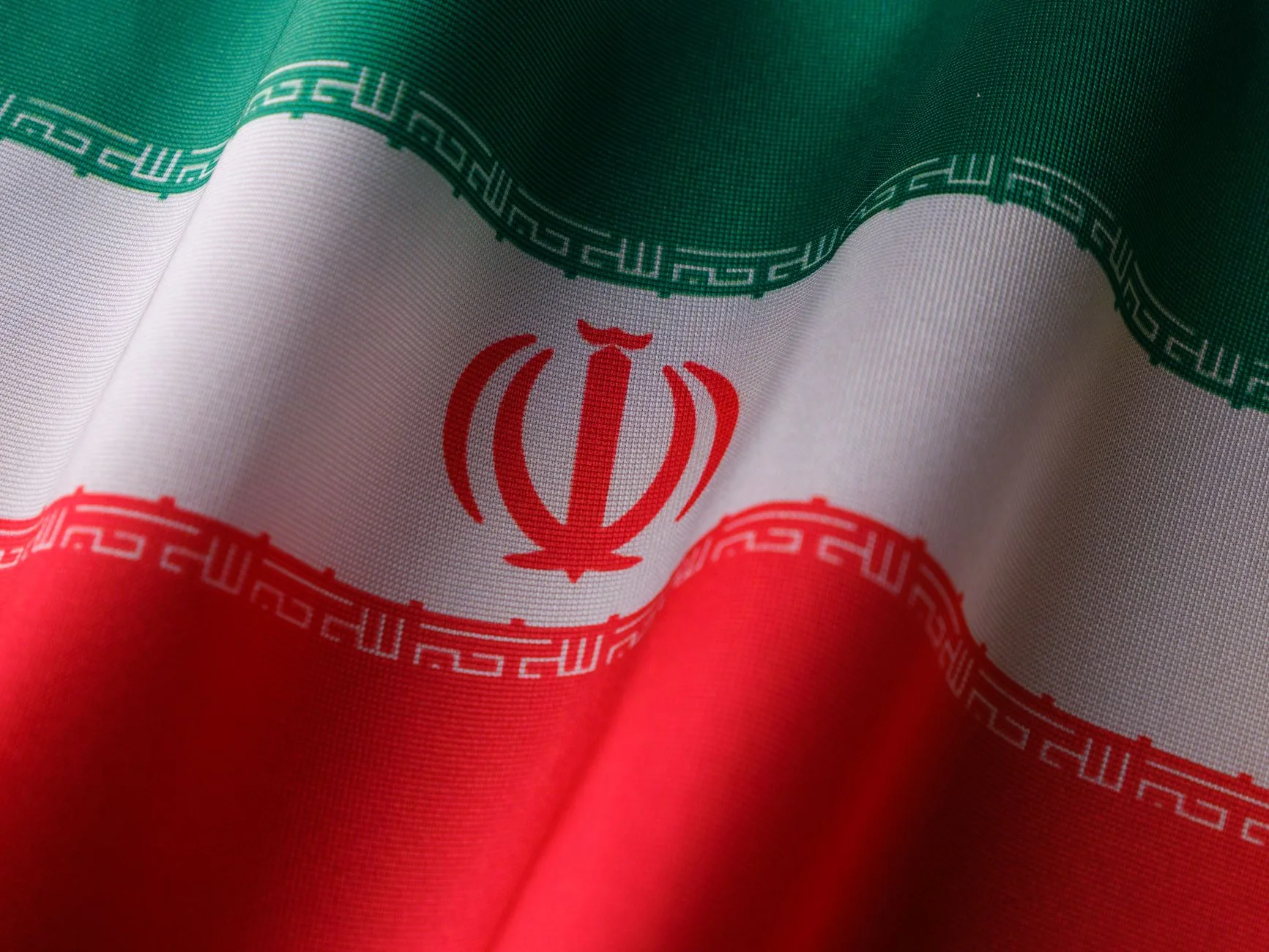
Photo by Engin Akyurt on Pexels
Important note: The situation in Iran changes frequently — check your government’s current travel advisory (UK: gov.uk/foreign-travel-advice/iran; US citizens cannot currently obtain visas; dual nationals face specific risks) before planning any trip. This guide reflects the experience of independent travellers visiting Iran and is not a safety endorsement.
Iran contains some of the most remarkable historical and cultural sites in the world — Isfahan’s Imam Square, the Persepolis ruins, the ancient city of Yazd — and a population renowned for hospitality toward foreign visitors. The gap between the Iran of international news and the Iran experienced by most independent travellers is significant.
Can You Travel Independently in Iran?
Yes, for most nationalities — with some important caveats:
US citizens cannot currently visit Iran as tourists. Citizens of other countries with strained relations with Iran should check specifically.
UK, Canadian, and Australian citizens can obtain Iranian tourist visas, but at the time of writing, solo travellers from some of these nationalities are required to travel with a licensed Iranian guide (this rule has been applied inconsistently and has changed multiple times). Check current requirements carefully.
EU citizens (most) can obtain e-visas or visa-on-arrival relatively straightforwardly.
The visa: Apply for an e-visa at evisairan.mfa.ir or through authorised travel agencies. An authorisation code is typically issued within 2–10 days; the visa is stamped on arrival. The fee varies by nationality (approximately €30–50).
The Main Destinations
Tehran
Iran’s capital is modern, congested, and underestimated by most travellers who rush through. The National Museum of Iran, the Treasury of National Jewels (one of the most extraordinary jewellery collections in the world — the Daria-i-Noor diamond, the largest uncut diamond on Earth, is here), and the Golestan Palace (a Qajar-era royal complex) are the main draws. The northern foothills neighbourhood of Tajrish has a bazaar and a living neighbourhood feel entirely different from the downtown.
Isfahan
Often described as the most beautiful city in Iran. Imam Square (Naqsh-e Jahan Square) — the second largest public square in the world after Tiananmen — is surrounded by the Royal Mosque, the Sheikh Lotfollah Mosque, the Ali Qapu Palace, and the bazaar entrance. The tilework of both mosques is the finest example of Safavid Persian architecture anywhere. The bridge Pol-e Khaju at sunset, with Isfahanis sitting beneath its arches, is one of the most beautiful urban scenes in Asia.
Allow at least 3 days in Isfahan.
Shiraz
The city of poetry, wine (historically), and roses — birthplace of the poets Hafez and Saadi, whose tombs are visited by Iranians as pilgrimage sites. An hour’s drive outside the city is Persepolis — the ceremonial capital of the Achaemenid Empire, built by Darius and Xerxes in the 6th–5th centuries BCE. The scale and preservation of the bas-relief carvings on the Apadana staircase are extraordinary.
Yazd
An ancient desert city with continuous habitation for 7,000 years — one of the oldest in the world. The old city is built entirely of mud-brick, with a skyline of windcatchers (badgir — traditional ventilation towers that pre-date air conditioning). The Zoroastrian fire temple (Atash Behram) has a sacred fire burning continuously for more than 1,500 years. The narrow alleys of the old city at night are among the most atmospheric walking in Iran.
Kashan
A day trip or overnight stop between Isfahan and Tehran — known for its extraordinary traditional houses, particularly Tabatabaei House and Abbasian House (19th-century merchant mansions with elaborate plasterwork, stained glass, and mirror work). The Fin Garden (a 16th-century formal Persian garden) is one of nine UNESCO-listed Persian gardens.
Getting Around
Trains: Iranian railways are good — modern, comfortable, and cheap. Tehran–Isfahan (5 hours overnight), Tehran–Yazd (6 hours overnight), and several other routes are well-served. Book via Iranian Railways’ website or through a travel agency.
Intercity buses: For routes not served by trains or for day connections — comfortable coaches run between all major cities.
Taxis and rideshares: Snapp (Iran’s equivalent of Uber) operates in Tehran and major cities — the app requires an Iranian SIM card but works reliably. Fixed-rate taxis from any hotel are straightforward.
Money
Cash only: International credit and debit cards do not work in Iran due to sanctions. You must bring cash (USD, EUR, or GBP are all widely exchangeable) and exchange it at official exchange offices (sarafi) or licensed hotels. The difference between the official and market rate has varied significantly — check current advice before travel.
Costs: Iran is extremely cheap by international standards, particularly post-sanctions depreciation. A week of comfortable travel including accommodation, food, transport, and site entry is feasible for £30–50/day.
Cultural Notes
- Dress: Women must cover their hair and wear modest clothing (manteau/coat, headscarf) in public — this is law, not custom
- Alcohol: Prohibited. Non-alcoholic “malt beverages” (common in supermarkets) are the available alternative
- Photography: Many sites allow photography; ask before photographing people, particularly women
- Hospitality: Iranian hospitality (ta’arof — the complex social reciprocity culture) is remarkable — invitations into homes for tea, offers of assistance, and genuine warmth toward foreign visitors are very common
Conclusion
Iran is one of the most rewarding destinations for travellers willing to navigate the logistics:
- Check current FCO/State Department advice before booking — the situation changes
- Isfahan is the centrepiece — allow 3 days minimum for Imam Square and the surrounding buildings
- Persepolis from Shiraz is non-negotiable — one of the great historical sites of the ancient world
- Bring cash — no international payment cards work; take more than you think you need
- Yazd for the old city — the mud-brick architecture and Zoroastrian culture are found nowhere else
Keep reading: Independent travel in Uzbekistan: Silk Road guide