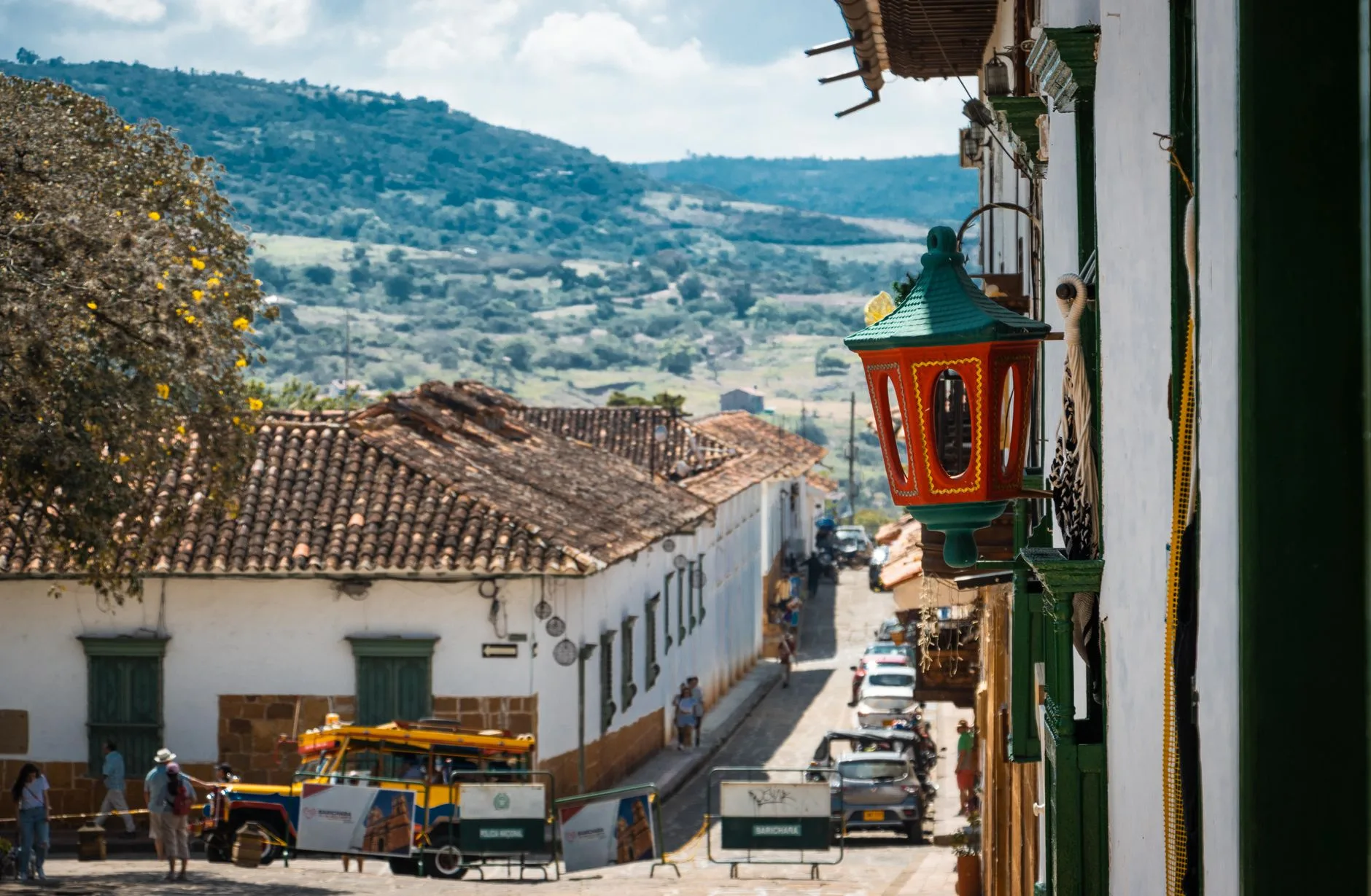
Photo by Robert Acevedo on Pexels
Colombia has changed dramatically over the past 20 years. What was once considered too dangerous for independent travel is now one of South America’s most visited countries, with a well-developed backpacker infrastructure, extraordinary biodiversity, and genuine warmth from its people toward visitors.
It’s also significantly cheaper than Brazil or Chile — a full day of travel, accommodation, and meals can be managed well under £30.
Costs
Budget traveller: £20–30/day
Mid-range: £40–70/day
Daily breakdown (budget):
– Hostel dorm bed: COP 30,000–60,000 (£6–12)
– Local set lunch (menu del día): COP 8,000–15,000 (£1.50–3)
– Intercity bus: COP 20,000–80,000 depending on distance (£4–16)
– Beer (local): COP 3,000–6,000 (£0.60–1.20)
– Coffee: COP 2,000–5,000 (£0.40–1)
Colombia is excellent value compared to most of South America.
Where to Go
Medellín: The country’s second city and the hub of the backpacker scene. Transformed urban renewal story; excellent food, nightlife, art, and coffee shops. The city of Eternal Spring has near-perfect climate year-round. Pablo Escobar tours exist but are controversial (and historically sanitised) — the broader story of the city’s transformation is more interesting and less voyeuristic.
Base for: Guatapé (huge carved rock and reservoir), Jardín (colonial coffee town), Parque Arví (cable car and cloud forest).
Cartagena: Walled colonial city on the Caribbean coast. Colourful, photogenic, hot, and tourist-heavy. Most atmospheric in the cooler early morning before the day-trip cruise ships arrive. Pricier than the rest of Colombia — budget hotels are still affordable but the restaurant prices around the Walled City have crept up.
Bogotá: The capital. La Candelaria old town, Botero Museum (free), Salt Cathedral of Zipaquirá (day trip). Often underrated — spend at least 2 nights.
Coffee Region (Eje Cafetero): Salento is the most visited coffee town — colourful buildings, excellent trout, and access to the Valle de Cocora (wax palms, Colombia’s national tree). Don’t miss the working coffee fincas for a tour.
Santa Marta / Taganga: Caribbean coast gateway to Parque Tayrona (jungle meets beach) and the Cuidad Perdida (Lost City) multi-day trek.
San Gil: Adventure capital — white water rafting, paragliding, caving.
Getting Around
Buses: The primary intercity transport. Long-distance buses are comfortable, cheap, and cover virtually the whole country. Book at bus terminals; some routes can be booked online (Redbus, Pinbus apps). Night buses save accommodation costs on longer legs.
Domestic flights: Cheap between major cities. Avianca, LATAM, Wingo, JetSMART — compare on Skyscanner. Medellín–Cartagena or Bogotá–Santa Marta flights can be under £30 if booked ahead.
Taxis and rideshare: InDriver and Cabify are used in major cities; avoid unmarked taxis (ask your hostel to call one or use an app).
Safety
Colombia’s security situation has improved enormously, but precautions are necessary:
Stick to tourist areas in Bogotá at night: Parts of Bogotá beyond La Candelaria and the Zona Rosa are not advisable after dark for tourists.
Scopolamine (burundanga): The most specific threat to tourists in Colombia — a drug slipped into drinks that renders victims compliant and amnesiac. Don’t accept drinks from strangers in bars; cover your drink.
Expresso secuestro (Express kidnapping): Robberies that force victims to ATMs. Use rideshare apps rather than hailing taxis; withdraw cash from ATMs inside supermarkets or malls rather than street ATMs.
Travel insurance: Essential. Medical costs in Colombia can be significant without coverage.
Most visitors travel Colombia without incident. Being aware of the specific risks reduces them substantially.
Money
Colombian Peso (COP). ATMs are widely available in cities. Carry some cash for smaller towns, markets, and rural areas. Avoid street money changers.
Visas
UK passport holders get 90 days visa-free on arrival. Register at the immigration checkpoint on arrival — the 90-day clock starts from the stamp date.
Best Time to Visit
Colombia’s geography means the climate varies enormously by region:
Caribbean coast (Cartagena, Santa Marta): Best December–April (dry season).
Medellín: Near-perfect year-round (18–28°C). Slight rainy season April–May and October–November.
Amazon and Pacific coast: Hot and wet year-round; choose less-rainy months (July–September for Amazon).
Spanish
Spanish is essential outside major tourist areas. Colombians are known for speaking clear, relatively unaccented Spanish — making it one of the better countries to be a beginner Spanish speaker. A phrasebook and basic phrases go a long way.
Summary
Budget travel in Colombia:
- Medellín is the backpacker hub — best infrastructure, excellent climate, good base for coffee region and Guatapé
- Menu del día (set lunch) is the budget traveller’s best friend — three courses for £1.50–3, eaten like a local
- Use rideshare apps (InDriver, Cabify) rather than street taxis — safer and price-transparent
- Beware scopolamine specifically — don’t accept drinks from strangers or leave your drink unattended in bars
- The Coffee Region is underrated — Salento and the Valle de Cocora are among the most beautiful places in the country and remain genuinely uncrowded
Keep reading: First time in Argentina: practical guide