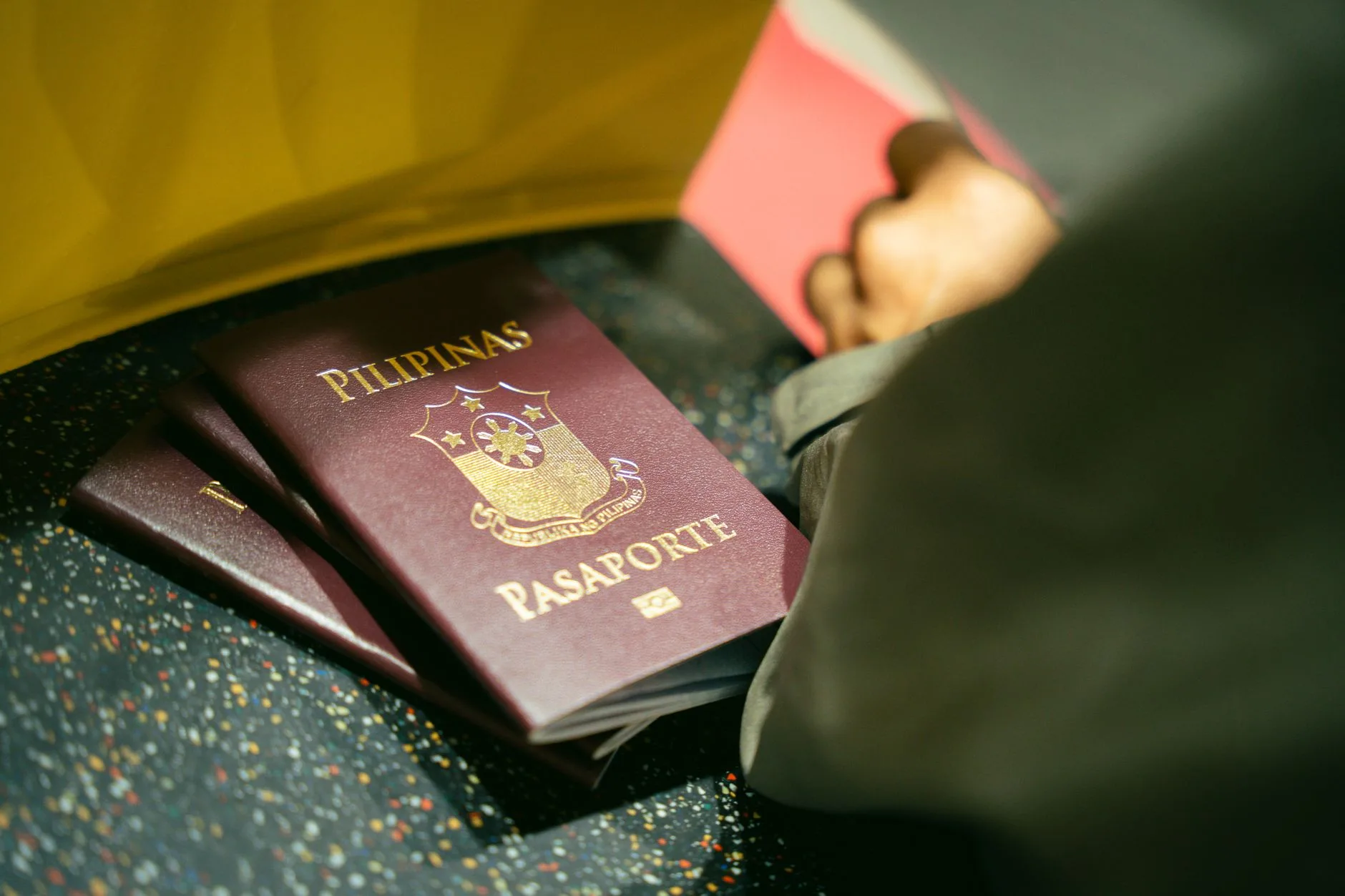
Photo by Kenneth Surillo on Pexels
The tricycle driver outside Kalibo airport quoted me 800 pesos to Caticlan, then dropped it to 500 without me saying a word, then to 350 when I started walking toward the bus stand instead. This is not a scam story — it’s just how transport pricing works in much of the Philippines, a country where almost nothing has a fixed rate until you ask, and asking is expected. I paid 300, split with a Canadian backpacker also headed for the Boracay ferry, and we sat in traffic for two hours past sugarcane fields and roadside stalls selling boiled peanuts in paper cones.
That drive set the tone for everything that followed: friendly, improvised, occasionally slow, and never quite what the itinerary said it would be. The Philippines is not one destination — it’s roughly 7,641 islands, and a first trip here succeeds or fails based on how realistically you plan around distance, weather, and the simple fact that getting from one beautiful place to another often takes most of a day.
This guide covers what actually matters for a first visit: entry requirements, how to move between islands without losing half your trip to transit, where to base yourself, what to eat, and the honest trade-offs between the well-known spots and the quieter alternatives.
Getting In: Visas, Airports, and the Peso Reality
Most nationalities — including the US, UK, EU, Canada, and Australia — get visa-free entry for 30 days on arrival, extendable at immigration offices in Manila, Cebu, or Boracay for a fee (roughly 3,000–8,000 pesos depending on how many extensions you stack). Check current rules against the Philippine Bureau of Immigration before booking, since requirements shift periodically and airlines sometimes ask for proof of onward travel even when it’s not strictly enforced.
Ninoy Aquino International (Manila) and Mactan-Cebu International are the two real gateways for international arrivals; both have direct flights from major Asian hubs and a handful from North America and Australia. Manila’s NAIA is chaotic and its four terminals aren’t connected — if you’re transiting, budget at least three hours and confirm which terminal you’re actually flying from, because taxi drivers will happily take you to the wrong one.
Cash is still king outside malls and cities. ATMs (BPI, BDO, Metrobank) charge withdrawal fees of 200–300 pesos on top of your own bank’s fee, so withdraw in larger amounts less often. Carry small bills — nobody in a sari-sari store can break a 1,000-peso note for a 20-peso bag of chips.
The Island-Hopping Problem (And How to Actually Solve It)
The biggest mistake first-time visitors make is treating the Philippines like a single landmass with a train network. It isn’t. Palawan, Boracay, Siargao, Bohol, and the Visayas are separate flights or long ferry rides from each other and from Manila. Trying to hit all of them in ten days means spending most of that time in airports.
Pick one or two regions and go deep instead. A realistic first-timer route: fly into Manila, spend two days in Intramuros and the food scene in Poblacion, Makati, then fly to El Nido or Coron in Palawan for island-hopping and lagoon tours, and finish with Siargao for surfing and a slower pace, or Bohol for the Chocolate Hills and Loboc River. That’s still three domestic flights, so build in buffer days — Philippine domestic carriers (Cebu Pacific, Philippine Airlines, AirAsia) are budget-friendly but prone to delays, especially in typhoon season.
Ferries (2GO, OceanJet, Montenegro Lines) connect many islands and are considerably cheaper than flying, but sea conditions matter — the interisland waters between Luzon and the Visayas can get rough from June to November, and crossings get suspended without much notice when a storm signal goes up. Always have a flexible day either side of a ferry booking.
| Route | Best Transport | Duration | Approx. Cost |
|---|---|---|---|
| Manila → El Nido, Palawan | Direct flight | 1.5 hrs | ₱3,000–8,000 |
| Manila → Coron, Palawan | Direct flight | 1.25 hrs | ₱2,500–7,000 |
| Cebu City → Bohol | Fast ferry (OceanJet) | 2 hrs | ₱700–1,200 |
| Manila → Siargao | Flight via Cebu or direct seasonal | 2–3 hrs | ₱3,500–9,000 |
| Cebu → Siargao | Direct flight | 1 hr | ₱2,000–5,000 |
| Kalibo/Caticlan → Boracay | Van + boat | 1.5–2 hrs + van transfer | ₱500–1,000 |
Manila: Two Days Is Enough, If You Choose Well
Skip trying to “see” Manila in a checklist sense — it’s too sprawling and traffic-choked for that. Intramuros, the walled Spanish colonial core, is worth a half-day: Fort Santiago, San Agustin Church (a UNESCO World Heritage Site), and the cobblestone streets around Casa Manila give you the historical layer most of the metro area has paved over.
For food and nightlife, Poblacion in Makati has replaced the mall-adjacent tourist strips as the neighbourhood with genuine texture — narrow streets of hole-in-the-wall restaurants, craft beer bars, and karaoke joints that spill into the pavement after 10pm. Binondo, the world’s oldest Chinatown, is worth a morning for the food alone: try the siopao at Eng Bee Tin and the noodle houses along Ongpin Street.
Manila traffic is genuinely one of the worst in Asia — a five-kilometre trip can take 90 minutes at the wrong hour. Use Grab (the regional ride-hailing app) rather than street taxis, and factor traffic into every plan, including airport transfers.
Palawan: El Nido and Coron, and Why They’re Not Interchangeable
El Nido and Coron both sit in Palawan and both offer limestone karst islands and turquoise lagoons, but they are different experiences. El Nido’s island-hopping tours (labelled A, B, C, D by the tourism board, each covering different lagoons and beaches) are more developed, busier, and easier to book last-minute from the main strip in El Nido town. Coron leans toward wreck diving — several Japanese WWII shipwrecks lie in accessible depths near Coron Bay, making it a serious draw for certified divers, alongside Kayangan Lake, often cited as one of the cleanest lakes in Asia.
Getting between the two isn’t quick: it’s either a bumpy 4×4/van ride of 5–6 hours along a partially unpaved road, or a short flight back through Manila. Most visitors pick one, not both, on a first trip.
Boat tours here run 1,200–1,800 pesos per person for a full day including a grilled lunch on a beach, but life jackets and snorkel gear quality vary — bring your own mask if you’re particular about it. December through May is dry season and the most reliable window; June to November brings rain and occasional typhoon disruption, though prices drop and crowds thin.
What to Actually Eat
Filipino food doesn’t get the international spotlight that Thai or Vietnamese food does, and that’s part of its appeal for a first visit — you’re eating dishes with almost no tourist-menu translation happening. Adobo (pork or chicken braised in vinegar, soy, garlic, and bay leaf) is the dish most people already half-know; order it at a local carinderia (a small canteen-style eatery) rather than a hotel restaurant to taste the version actually eaten at home.
Sisig — sizzling chopped pork face and liver on a hot plate with calamansi and chili — is Pampanga’s contribution to the national menu and best found at Aling Lucing’s in Angeles City, where it originated, or at any decent Pampanga-style restaurant elsewhere. Kinilaw, the Filipino answer to ceviche, uses vinegar and calamansi rather than lime, and is worth trying seaside in the Visayas. In the mornings, look for tapsilog — cured beef, garlic rice, and a fried egg — sold from carts everywhere for under 100 pesos.
Public markets are the honest way into the food culture, and the same caution that applies across the region applies here: eat where the turnover is high and the food is cooked in front of you. General guidance on eating safely at markets across the region — much of it directly applicable in Manila’s Quiapo Market or Cebu’s Carbon Market — is covered in this piece on eating at local markets in Southeast Asia.
Weather, Timing, and Typhoons
The dry season (December to May) is the safest bet for a first trip, particularly if island-hopping or diving is the goal. March to May is hot and can be brutally humid, especially inland. June through November is typhoon season, concentrated mostly in the northern and central Philippines — Palawan and the far south (Mindanao) are somewhat more sheltered, which is part of why Siargao and southern Palawan stay bookable even in the shoulder months.
If a typhoon is forecast, domestic flights and ferries get cancelled with little warning, and PAGASA (the national weather service) issues public storm signals that dictate school and work closures — worth checking if your dates fall in this window.
Budget and Pace
The Philippines is inexpensive relative to Western Europe or North America, but pricier than Vietnam or Cambodia once you factor in the domestic flights needed to move between islands. A modest daily budget covering a private room, local food, and transport runs roughly $35–55 USD; add diving, resort stays, or private boat charters and that climbs quickly.
Anyone weighing the Philippines against other Southeast Asian destinations for a first regional trip might find it useful to compare how much time different countries genuinely warrant, covered in this breakdown of how long to spend in each country in Southeast Asia — the Philippines rewards a slower, more concentrated itinerary rather than a rushed multi-country sweep, largely because of the transit logistics above.
Boracay remains the most recognisable name, but its 2018 rehabilitation (a six-month closure to address sewage and overdevelopment) changed its character, and travellers weighing whether it’s still worth the trip, or looking at quieter island alternatives in the region generally, might find the broader context in avoiding overtourism in Southeast Asia useful before locking in an itinerary.
The Bottom Line
- Pick one or two regions, not a checklist — inter-island travel eats days, and a rushed itinerary here is a frustrating one, not an efficient one.
- Fly into Manila or Cebu, and treat Manila as a two-day cultural and food stop rather than the centrepiece of the trip.
- Book ferries and domestic flights with a flexible buffer day either side, especially June through November.
- Eat at carinderias and public markets for the real range of Filipino food — adobo, sisig, kinilaw, tapsilog — rather than relying on hotel menus.
- Carry cash, use Grab over street taxis in Manila and Cebu, and confirm your terminal before any NAIA transfer.
Keep reading: How long to spend in each country in Southeast Asia