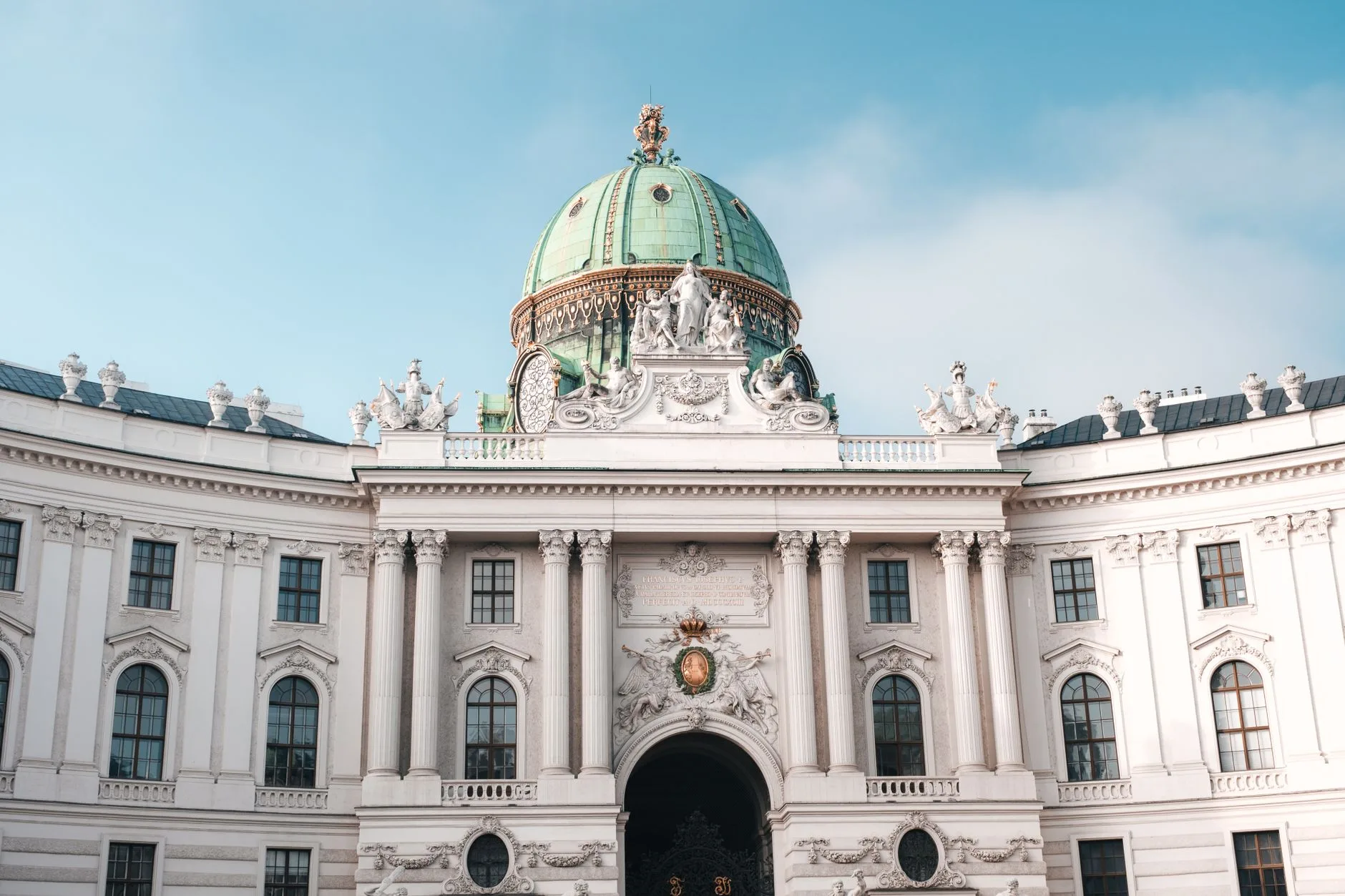
Photo by Ekam Juneja on Pexels
The Kaiser-Josef-Markt in Graz opens before most of the city is awake, stallholders unloading crates of Steirisches Kürbiskernöl — the thick, nutty pumpkin seed oil that shows up on nearly every salad in Styria — alongside mountains of Williams pears and wheels of pungent Steirerkäse. By 7am, pensioners with wheeled shopping trolleys are elbowing past students heading home from the night before, and the smell of fresh Kipferl rolls from the bakery stall cuts through the diesel fumes of the delivery trucks idling on Belgiergasse. None of this costs anything to witness, and a coffee and pastry here runs under four euros — a fact that already separates Graz from the breakfast prices you’d pay two hours north in Vienna’s First District.
Austria has a reputation, not entirely undeserved, as an expensive country — the kind of place where a Vienna hotel room and a ticket to the Staatsoper can empty a travel budget fast. But that reputation is built almost entirely on the capital. Move beyond it, into Styria, Salzkammergut, and Tyrol, and the cost of a day drops substantially: hostel beds for €20–30, regional trains that cost less than a decent lunch, and entire towns where the main expense is a cable car ticket or a block of cheese at a farmers’ market. This guide covers the country outside Vienna’s ring road — where to go, how to get there affordably, and what it actually costs to spend a week or two exploring it.
Why Austria’s Regions Cost Less Than Its Capital
Vienna’s prices reflect its status as an imperial capital with five-star hotels, grand cafés, and a tourist volume that pushes up everything from museum tickets to schnitzel. The regions operate on a different economy. Graz, Austria’s second-largest city, has a large student population (over 60,000 across its universities) that keeps rents, bar prices, and café menus genuinely affordable. Salzburg’s old town is pricier because of Mozart-and-Sound-of-Music tourism, but its outer districts and the surrounding Salzkammergut lake region are not. Innsbruck, similarly, splits into an expensive core and much cheaper surrounding valleys.
The real budget lever in Austria is accommodation outside peak season and rail travel booked with regional or national passes rather than point-to-point tickets. A traveller who sticks to July and August, books last-minute trains, and eats only in old-town restaurants will pay close to Swiss prices. A traveller who shifts to shoulder season, uses ÖBB’s Sparschiene discount fares, and eats at markets and Würstelstand stalls will spend less than they would in most of Western Europe.
Graz: A Student City With Real Depth
Graz deserves more time than the one-night stopover most itineraries give it. The Schlossberg, a forested hill rising directly out of the old town, is free to climb (steps or a short, inexpensive funicular) and gives a clear view over the terracotta rooftops and the looping Mur River. The old town itself is a UNESCO World Heritage Site, dense with Renaissance courtyards you can wander into without paying anything — the Landhaushof, just off Herrengasse, is worth ducking into even if you have no particular reason to.
Eat at the Kaiser-Josef-Markt in the morning and the Lendplatz market on weekends, both far cheaper than restaurant dining. For a sit-down meal, student canteens (Mensa) connected to the universities are open to the public at low prices, and the buschenschanks — rustic wine taverns in the hills just outside the city, reachable by local bus or a 30-minute uphill walk — serve home-style Styrian plates with self-poured wine for a fraction of restaurant prices. A dorm bed in Graz runs roughly €18–25; a private room in a pension, €45–60.
Salzburg Without the Mozart Markup
Salzburg’s old town, hemmed in by the Salzach River and the Hohensalzburg fortress, is genuinely beautiful and genuinely overpriced in the blocks immediately around Getreidegasse and Mozartplatz. The budget move is geographic: cross the river into the Neustadt side, where cafés and guesthouses serving the same quality at lower prices sit a ten-minute walk from the tourist core. The fortress itself can be reached on foot via a steep path for free, skipping the funicular fee, though it adds a sweaty twenty minutes to the visit.
Salzburg’s real budget value, though, is as a gateway rather than a destination. From the main train station, regional trains and buses fan out into the Salzkammergut lake district and the Berchtesgaden border area in under an hour, at a fraction of what a guided day tour costs. A SalzburgerLand card, available seasonally, bundles cable cars, museums, and transport, and is worth calculating against your planned itinerary before buying — it pays off for active, multi-site days, not for a single museum visit.
Hallstatt and the Salzkammergut Lakes
Hallstatt has become genuinely overcrowded in peak summer — tour buses line up along the lakeside road from mid-morning, and the viewpoint above town fills with people photographing the same angle. It’s still worth a visit, but the honest budget advice is to go early (before 9am, when the day-trip buses arrive from Salzburg) or stay overnight, when the town empties out and the lake turns still and grey-green under the surrounding limestone peaks.
The better budget strategy is to treat Hallstatt as one stop on a wider lake circuit rather than the whole trip. Bad Ischl, a short train ride away, has the same Salzkammergut scenery with none of the crowding, plus a genuinely good spa-town bakery culture (the Zauner konditorei is an institution, though not cheap — a coffee and cake there is a reasonable splurge). Gosau and the Gosausee, reachable by local bus from Hallstatt, offer alpine lake scenery with a fraction of the visitors. The region’s UNESCO status as the Hallstatt-Dachstein Salzkammergut World Heritage area covers a wider zone than most visitors realise, and exploring beyond the one famous postcard town is where the budget savings and the quieter experience both live.
Innsbruck and the Tyrolean Valleys
Innsbruck sits in a genuinely dramatic spot — the Nordkette mountains rise almost directly out of the old town, and a short tram-and-cable-car combination gets you from the Altstadt to over 2,000 metres in under 30 minutes. The Hungerburgbahn funicular and Nordkettenbahn cable cars aren’t cheap combined, but the view justifies it once, and hiking down rather than riding both ways cuts the cost in half.
The city’s old town — Herzog-Friedrich-Straße and the Golden Roof — is compact and free to wander, and the Markthalle along the Inn River is a solid, affordable lunch option with stalls selling everything from Tyrolean speck to Vietnamese pho. Where the real budget value sits, though, is in the surrounding valleys: the Stubai and Ötztal valleys offer hiking trails, alpine huts (Berghütten) with bunk-style dorm beds for €25–35 including half-board, and glacier views without Innsbruck’s city prices. These huts, run by the Austrian Alpine Club (ÖAV), require advance booking in summer and are one of the better-value overnight experiences in the entire country — similar in spirit to the alpine hut systems you’ll find on long-distance trails elsewhere in the Alps.
Getting Around: Trains, Buses, and Regional Passes
Austria’s rail network, run by ÖBB, is the backbone of any budget trip through the regions. Regional trains (not the fast Railjet services) connect nearly every town mentioned here, and ÖBB’s Sparschiene fares, booked a few weeks ahead, can bring long routes down to €15–25. The ÖBB website allows advance booking in English and is reliable for timetables even if you end up buying tickets locally.
| Route | Journey time | Approx. cost (standard/Sparschiene) | Notes |
|---|---|---|---|
| Vienna → Graz | ~2.5 hrs | €25–45 / €9–17 | Frequent direct trains, scenic southern approach |
| Vienna → Salzburg | ~2.5 hrs | €30–50 / €9–19 | Fast, frequent, often the first leg of a loop |
| Salzburg → Hallstatt | ~1.5 hrs (train + ferry/bus) | €15–20 | Change at Attnang-Puchheim; short ferry across the lake into town |
| Salzburg → Innsbruck | ~2 hrs | €30–45 / €9–19 | Crosses into Bavaria briefly; carry ID |
| Innsbruck → Graz | ~4.5 hrs | €40–60 / €15–25 | Long cross-country route, worth breaking up |
Regional day passes (Verbund tickets) within provinces like Tyrol or Styria are worth buying if you’re making multiple short hops in one day — they’re sold at station counters and usually pay for themselves after two trips. Buses fill in the gaps rail doesn’t reach, particularly into smaller Salzkammergut villages and Alpine valleys, and are generally cheap, if infrequent outside peak hours.
Where to Sleep and Eat Without Overspending
Hostels in the regional cities are plentiful and reliable — Jugendherberge (official youth hostel) branches in Graz, Salzburg, and Innsbruck all offer dorm beds in the €20–30 range with kitchens you can actually use, which matters given how quickly restaurant meals add up. Private pensions and guesthouses, often family-run and slightly outside the old towns, undercut hotel prices significantly while offering more character.
For food, the pattern that saves the most money is simple: markets and bakeries for breakfast and lunch, a proper sit-down meal once a day, and Würstelstand sausage stands for a late, cheap dinner when needed. A Käsekrainer with bread and mustard from a stand costs a few euros and is, frankly, better than most of what you’ll get in a tourist-trap restaurant for three times the price. Supermarkets — Spar, Billa, Hofer — are everywhere and well-stocked, useful for self-catering if your accommodation has a kitchen.
Hiking and Outdoor Activities That Cost Little or Nothing
Much of what makes rural Austria worth visiting doesn’t require paying for a ticket. The hiking network across Styria, Salzkammergut, and Tyrol is extensive, well-marked, and free to use — trailheads are often reachable directly by regional bus or train, with no entry fee at all. The Dachstein massif, the Zillertal valley, and the trails around Lake Wolfgang offer multi-hour walks through genuinely dramatic terrain, with alpine huts along the way selling simple meals rather than requiring you to carry everything in.
For travellers planning a longer trip through the Alps, Austria connects naturally into broader European long-distance walking routes, and anyone building a wider hiking itinerary might look at how these trails link up across the continent. Cyclists, too, have an obvious budget-friendly option: the Danube Cycle Path runs directly through the Wachau Valley and past Linz, offering one of the flattest, best-supported long-distance rides in Europe, with cheap guesthouses along the route rather than city hotel prices.
The Bottom Line
Budget travel in Austria beyond Vienna isn’t about stripping the experience down — it’s about recognising that the capital’s prices don’t apply to the rest of the country. Graz and Innsbruck offer real city depth at a fraction of Vienna’s cost, the Salzkammergut lakes reward travellers who arrive early or stay over rather than day-tripping, and Alpine huts and regional trains do more for a tight budget than any discount card. Book Sparschiene fares early, shift toward shoulder season in May, June, or September if your schedule allows, and treat markets and Würstelstände as a feature of the trip rather than a compromise. The version of Austria that exists outside Vienna’s ring road is not a cheaper imitation of the capital — it’s a genuinely different country, and often the more interesting one. Anyone building a longer slow-travel loop through Central Europe might find Austria’s regional cities pair naturally with other affordable, walkable bases across the continent.
Keep reading: Cycling the Danube: a practical beginner’s guide