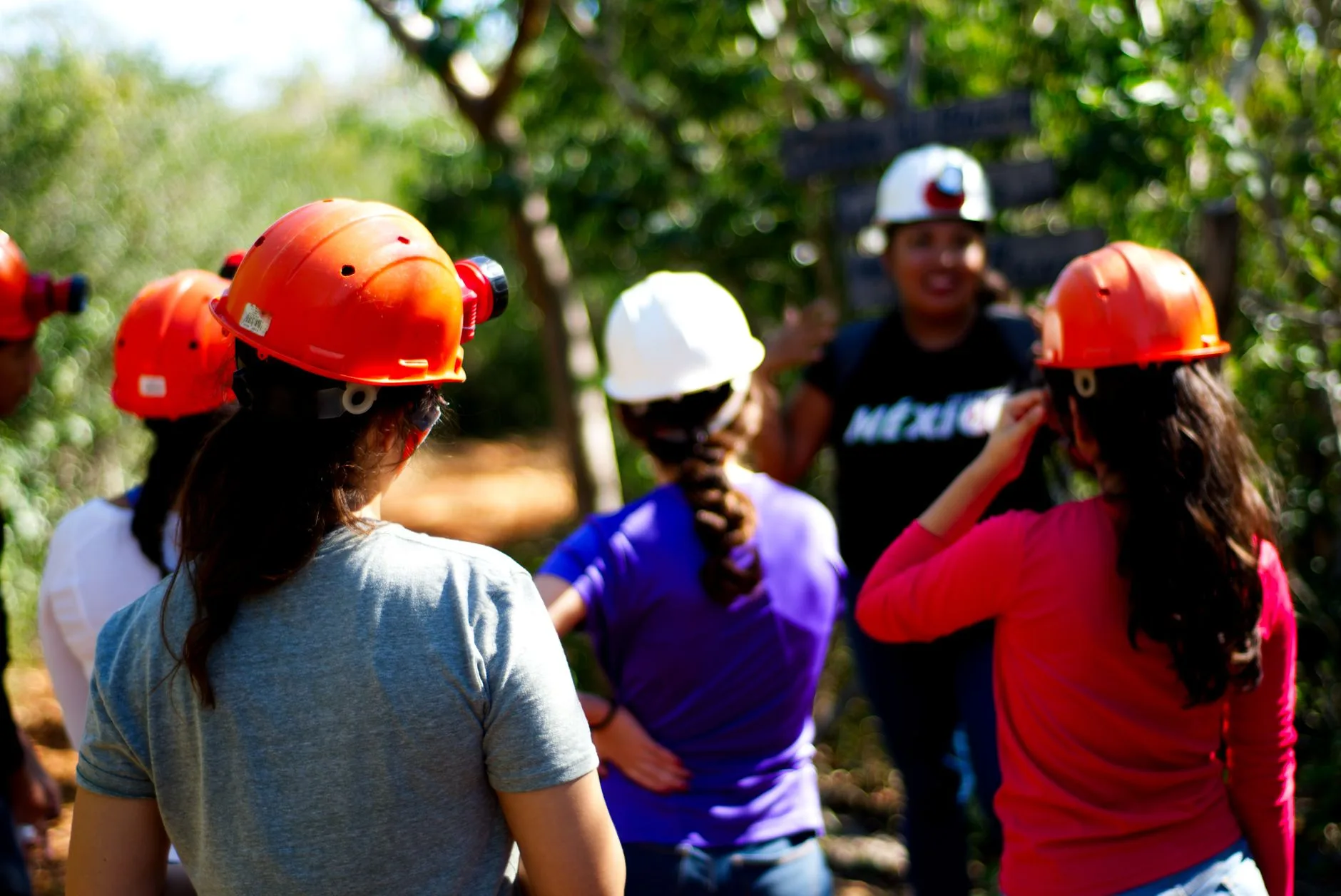
Photo by Iván Hernández-Cuevas on Pexels
At 6:45am, Carrera 7 in La Candelaria, Bogotá, smells like diesel exhaust and roasting coffee, and the two things are somehow not unpleasant together. A woman sets up a thermos of tinto and a tray of almojábanas on a folding table outside the Iglesia de San Francisco. Police officers in green fatigues stand at the corner of Calle 10, not doing much of anything, which is exactly the point — their presence is the product. Students in university hoodies hurry past street vendors selling phone cases and roasted chestnuts, and nobody is looking at a phone with it held loosely at hip height, because everyone here already knows better.
This is the texture of Colombia that budget travellers actually encounter: not a war zone, not a crime-free paradise, but a country that has worked hard to rebuild its tourism reputation over the last two decades and mostly succeeded, while still requiring the same street sense you’d use in Naples or Johannesburg or Rio. The good news is that Colombia is cheap, extraordinary, and entirely manageable on a backpacker’s budget. The honest news is that “safe” in Colombia is a layered word — safe in Laureles, safe in daylight, safe if you’re not flashing a new iPhone — and this guide is about understanding those layers rather than pretending they don’t exist.
The honest geography of risk
Colombia’s internal conflict didn’t end with the 2016 peace accord with the FARC — it fragmented. Dissident factions, ELN guerrillas, and criminal gangs (bandas criminales, or BACRIM) still operate in specific rural corridors: parts of Cauca and Nariño departments, the Catatumbo region near Norte de Santander, stretches of Chocó, and areas close to the Venezuelan border. These are not places budget travellers stumble into by accident, because they’re not on the standard travel circuit and have minimal tourist infrastructure. The UK Foreign, Commonwealth & Development Office and the US State Department both publish country-specific travel advisories that break risk down by department rather than painting the whole country with one colour — worth checking before you finalise a route, especially if you’re tempted off the Bogotá–Medellín–Eje Cafetero–Cali–Cartagena loop that most independent travellers follow.
That established loop, plus the Caribbean coast up to Tayrona and Santa Marta, and San Andrés island in the far west Caribbean, accounts for the overwhelming majority of backpacker travel in Colombia and carries a risk profile not meaningfully different from other major Latin American tourist circuits. The danger for budget travellers is almost never political violence. It’s opportunistic urban crime: phone snatching from motorbikes (cosquilleo), distraction theft, and the much-discussed but statistically rare use of scopolamine (“burundanga” or “devil’s breath”) to incapacitate and rob victims, usually via spiked drinks in nightlife settings rather than random attacks. Treat open drinks from strangers the way you would anywhere, and the risk drops to near zero.
Where to base yourself: city by city
Bogotá rewards a few days but punishes carelessness after dark. La Candelaria, the colonial old town, is atmospheric and cheap but empties out and gets edgier after about 8pm — fine for dinner, less fine for wandering alone back to your hostel at midnight. Chapinero, particularly the Zona G and Chapinero Alto areas, is a better base for longer stays: leafier, more residential, full of good-value lunch spots, and a short Uber or TransMilenio ride from the old town’s museums (the Museo del Oro is unmissable and costs next to nothing).
Medellín has transformed its reputation more than any other Colombian city, and the Metro — clean, cheap, and a genuine point of civic pride — is a good barometer of that change. El Poblado is the established backpacker and digital-nomad hub, safe but expensive and increasingly gentrified; Laureles, just across the river, offers the same safety with a more local feel and lower prices on everything from rent to arepas. Comuna 13, once one of the most dangerous barrios in the Western Hemisphere, is now a daytime graffiti-tour destination — genuinely worth doing, genuinely safe in daylight hours with the crowds, and a sharp lesson in how fast a place can change.
Cartagena splits into the walled Ciudad Amurallada — a UNESCO World Heritage old town of pastel balconies and horse carriages, expensive by Colombian standards and heavily touristed — and Getsemaní next door, which has cheaper hostels, better street food, and a livelier, grittier nightlife scene. Both are walkable and well-policed in the tourist zones; step outside them toward the southern neighbourhoods and the risk profile changes quickly.
Cali gets skipped by travellers rushing between Medellín and Ecuador, which is a mistake if you care about salsa — this is its undisputed home — but it has a rougher edge than Medellín or Bogotá, with higher petty crime rates even in the tourist-friendly Granada and San Antonio neighbourhoods. Daytime exploring is straightforward; nightlife is best done with people you’ve met at your hostel rather than solo wandering.
| City/area | Dorm bed (COP/night) | Safety notes | Best for |
|---|---|---|---|
| Bogotá – La Candelaria | 35,000–50,000 | Fine by day, use taxis/Uber after dark | Museums, colonial architecture |
| Bogotá – Chapinero | 45,000–65,000 | Residential, calm evenings | Longer stays, working remotely |
| Medellín – Laureles | 40,000–55,000 | Safe, local feel | Value, Metro access |
| Medellín – El Poblado | 55,000–80,000 | Safe but touristy, higher theft awareness needed in nightlife zones | Nomads, nightlife |
| Cartagena – Getsemaní | 45,000–65,000 | Safe in tourist core, avoid wandering south after dark | Street food, nightlife |
| Cali – Granada/San Antonio | 40,000–60,000 | More petty theft, group up at night | Salsa, dance culture |
| Santa Marta/Tayrona area | 30,000–45,000 | Safe town centre, theft reported on some park trails | Beaches, hiking |
Moving around: buses, Willys, and the roads to skip
Colombia’s intercity bus network is extensive, cheap, and more comfortable than its reputation suggests — companies like Bolivariano and Copetran run air-conditioned coaches between major cities for a fraction of flight prices, and the Bogotá–Medellín route (around 9 hours through genuinely spectacular mountain terrain) costs roughly COP 70,000–100,000. For a broader sense of what long-distance buses across the continent actually involve — the waits, the checkpoints, the shared armrests — the honest guide to bus travel in South America covers ground that applies directly here.
Night buses on well-travelled routes (Bogotá–Medellín, Medellín–Cartagena via Montería) are generally safe and heavily used by locals, but routes through Cauca and Nariño toward Ecuador have had intermittent security issues on specific stretches, and it’s worth checking current conditions locally rather than booking blind months in advance. For the Zona Cafetera around Salento, the classic Willys jeeps — vintage Jeep CJs repurposed as shared rural taxis — are both the cheap, correct way to reach the Valle de Cocora and genuinely one of the better experiences in the country: standing on the rear bumper holding the roll bar while the jeep bounces through wax palm valleys is not a metaphor, it’s just what happens.
Domestic flights on Avianca, LATAM, or budget carrier Wingo are often worth the extra cost over a 14-hour bus, especially Bogotá–Cartagena or anything involving the Amazon region (Leticia is only reachable by air or a multi-day river journey). One route to avoid entirely as an independent overland traveller: there is no road connection through the Darién Gap into Panama, and attempting any overland route through that jungle corridor is both illegal to cross informally and genuinely dangerous, involving human trafficking networks and no reliable rescue infrastructure. Fly instead.
Money, scams, and the small print of staying sharp
Colombia runs on cash more than cards for budget travel — street food, local buses, and small hostels often don’t take anything else. Withdraw from ATMs attached to banks (Bancolombia, Davivienda) during daylight hours rather than standalone street machines, and count your change: counterfeit 50,000-peso notes circulate enough that locals routinely check the security thread against the light before accepting one.
The most common scam aimed at tourists isn’t violent — it’s the inflated taxi fare, the “broken” card machine that somehow only accepts cash at double the price, or the overly friendly stranger who wants to “help” with a confusing ticket machine. Use Uber or the InDrive app rather than hailing street taxis where possible; both operate in a legal grey zone in Colombia but are near-universal practice and considerably safer than negotiating a fare blind. If you’re carrying a phone worth more than a used motorcycle, don’t use it standing near the curb — motorcycle-based snatch theft happens fast and the phone is usually gone before you’ve processed what happened.
Eating well without spending much
The menu del día — a fixed lunch of soup, a main (usually rice, beans, a small portion of meat or fish, plantain, and salad), and juice — runs COP 10,000–18,000 almost everywhere outside the most touristed blocks, and is both the cheapest way to eat and the most reliable way to eat what locals actually eat. In Bogotá, try the smaller comedores around Barrio Egipto near La Candelaria; in Medellín, Laureles has dozens of unglamorous, excellent options. Street arepas, empanadas, and buñuelos are safe bets from any stall with visible turnover — busy stalls sell out and restock, meaning the food isn’t sitting around.
Bandeja paisa, the enormous plate of beans, rice, chorizo, chicharrón, egg, and avocado associated with Antioquia, is less an everyday meal than a once-a-trip event — it’s heavy enough to derail an afternoon. On the Caribbean coast, look for fresh ceviche de camarón and arroz con coco (coconut rice) in Getsemaní’s smaller family-run spots rather than the restaurants directly facing the old town walls, where prices triple for the view.
A realistic daily budget
A frugal but comfortable daily budget — dorm bed, two cooked meals plus snacks, local transport, one paid activity every couple of days — lands around COP 120,000–160,000 (roughly $30–40 USD) outside Cartagena’s old town and San Andrés, both of which run noticeably higher. Travellers coming from cheaper backpacking circuits in Central America will find Colombia comparable, maybe marginally pricier in tourist zones but cheaper once you’re a week into the Eje Cafetero or smaller towns like Jardín and Salento.
The Bottom Line
- Colombia’s safety risks are real but geographically specific — stick to the established Bogotá–Medellín–Eje Cafetero–Cali–Cartagena–Caribbean coast circuit and your actual exposure to serious risk drops close to that of any major Latin American tourist route.
- The crime you’re statistically likely to encounter is opportunistic and preventable: don’t flash phones on the street, use app-based rides over hailed taxis, and keep an eye on open drinks in nightlife settings.
- Cash is king and counterfeit notes circulate — withdraw from bank-attached ATMs in daylight and check bills before pocketing them.
- Comuna 13 in Medellín and the Valle de Cocora near Salento are worth building your itinerary around — both deliver more texture and payoff than the standard checklist stops, and both are straightforward and safe to visit independently.
- Don’t attempt an overland Darién Gap crossing under any circumstances — fly to Panama instead, and spend the money saved in transit time on one more week somewhere you’d actually want it, like the places covered in the guide to Colombia’s best destinations.
Keep reading: Budget Travel in Colombia: What to Know Before You Go