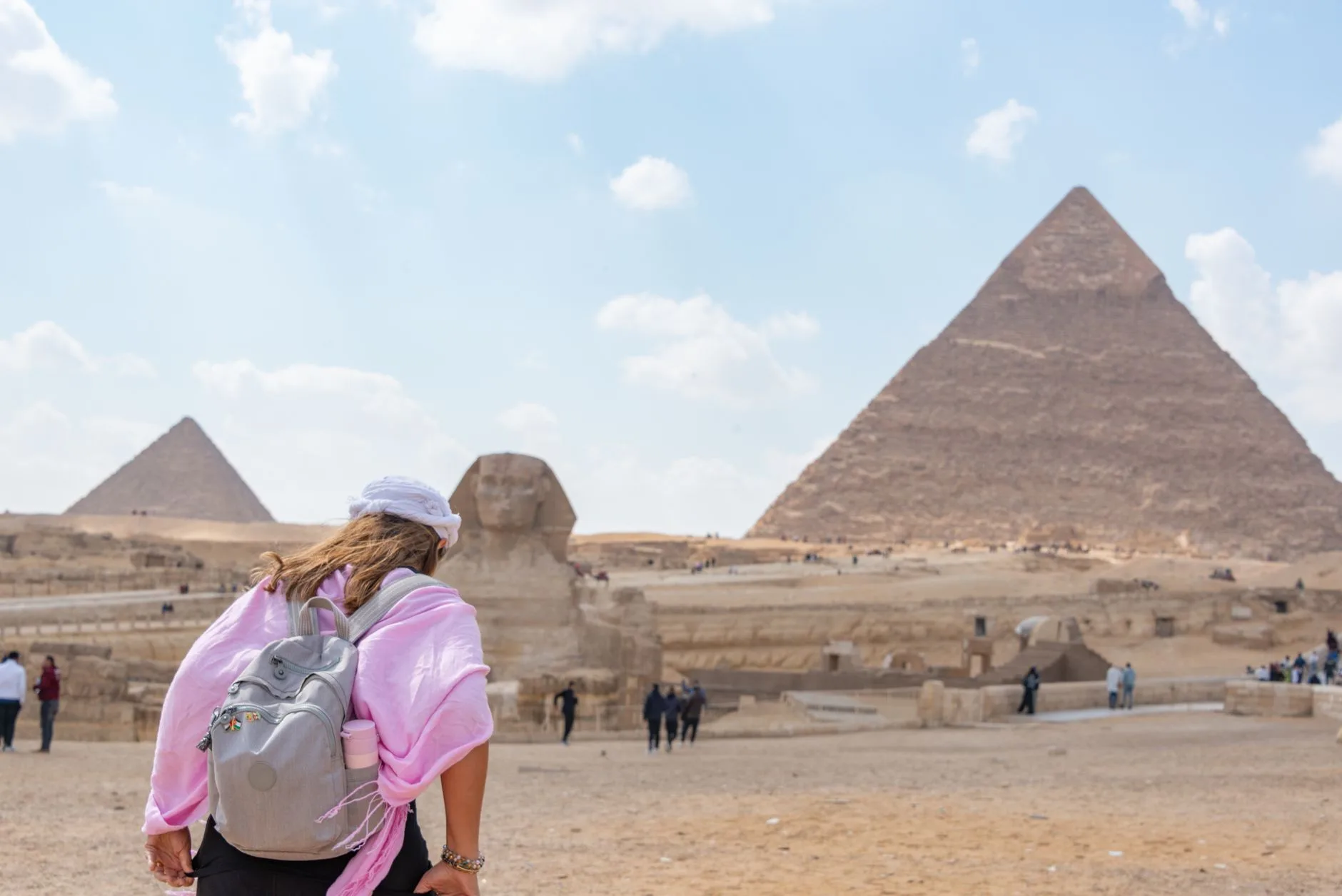
Photo by Diego F. Parra on Pexels
Egypt is one of the most historically extraordinary countries in the world — and one of the most disproportionately reduced to two sites (the Giza Pyramids and Luxor) in most visitors’ itineraries. Beyond these, Egypt has a Nile Valley with dozens of temple complexes, Aswan and Nubia, the monasteries of the Eastern Desert, the surreal landscapes of the Western Desert oases, and Siwa — one of the most remote and distinctive settlements in North Africa.
Getting In
Visa: Most nationalities including UK, EU, US, Canadian, and Australian citizens can obtain an Egyptian e-Visa online at visa2egypt.gov.eg for approximately $25 (single-entry, 30 days). It can also be obtained on arrival at the airport — the online route is faster.
Flights: Cairo (CAI) is the main hub — direct flights from London take approximately 4.5–5 hours. Hurghada (HRG) and Sharm el-Sheikh (SSH) receive large numbers of charter flights for the Red Sea resorts; Aswan (ASW) and Luxor (LXR) have some international connections.
Cairo
Egypt’s capital of 20+ million people is overwhelming, fascinating, and very cheap. The Egyptian Museum in Tahrir Square has the largest collection of ancient Egyptian artefacts in the world — the Tutankhamun galleries alone justify a day. The Grand Egyptian Museum (GEM), opened in 2023 near Giza, now houses the full Tutankhamun collection in a purpose-built facility alongside the Pyramids — the most important new museum opening in decades.
Giza: the Pyramids and Sphinx are 45 minutes from central Cairo. They are extraordinary — but busy, and surrounded by persistent touts and vendors. Visit at opening time (7am). The Solar Boat Museum (the intact ancient boat buried beside the Great Pyramid) is underrated.
Beyond the Pyramids in Cairo:
– Islamic Cairo — the area around Khan el-Khalili bazaar and Al-Azhar mosque: medieval mosques, madrasas, and merchant houses at extraordinary density
– Coptic Cairo — the Babylon Fortress, the Hanging Church, and the Ben Ezra Synagogue: a district of early Christian and Jewish history predating the Islamic conquest
– The Egyptian Museum of Islamic Art — a remarkable and undervisited collection
Luxor
Luxor — ancient Thebes — is the world’s greatest open-air museum: the East Bank has Karnak Temple Complex (the largest ancient religious complex in the world) and Luxor Temple; the West Bank has the Valley of the Kings, the Valley of the Queens, the Mortuary Temple of Hatshepsut (Deir el-Bahari), and the Colossi of Memnon.
Allow at least 3 days. The East Bank temples are best in the early morning and after sunset (evening sound and light show at Karnak). The West Bank is best in the morning before heat and before the tour buses.
Aswan and Nubia
The southernmost point of most Egyptian itineraries — a quieter, warmer, and more African-feeling city than Cairo or Luxor. The Nubian culture that begins in the Aswan region has a distinctive aesthetic (brightly painted houses in the Nubian villages on the Nile islands) and distinctive food.
From Aswan:
– Abu Simbel: 4 hours south by road — the twin temples of Ramesses II and Nefertari, relocated block by block to save them from the rising waters of Lake Nasser. One of the most extraordinary engineering achievements of the 20th century alongside one of the most extraordinary temples of the ancient world. Best at opening time or during the twice-yearly sun alignment (around 22 February and 22 October).
– Philae Temple: On an island in the Nile just south of Aswan — the Temple of Isis, partially submerged by the Aswan Dam, relocated in the same UNESCO rescue operation as Abu Simbel.
– Felucca sailing on the Nile: Overnight felucca (traditional wooden sailing boat) trips between Luxor and Aswan are a classic budget experience — approximately £15–25/person per night including meals.
The Western Desert
One of Egypt’s most extraordinary and undervisited regions — a series of oases and desert landscapes between the Nile Valley and the Libyan border:
Siwa Oasis: 9 hours west of Cairo — an isolated oasis of date palms and olive trees, with mud-brick ruins of a medieval fortress, the Oracle Temple of Amun (where Alexander the Great was confirmed as a god), and salt lakes with unusually buoyant water. The Siwan Berber culture is entirely distinct from the rest of Egypt. Accessible by overnight bus from Cairo or Marsa Matruh.
Bahariya and the White Desert: The White Desert National Park, near the Bahariya Oasis, has extraordinary chalk rock formations — windscaped into mushroom shapes, appearing luminous white against the desert floor. Overnight camping in the desert, organised from Bahariya. 4–5 hours from Cairo.
Costs
Egypt is very affordable for visitors with hard currency, particularly following the Egyptian pound’s significant depreciation:
| Item | Approximate cost |
|---|---|
| Budget guesthouse (private room) | £8–20 |
| Koshari (national dish) at a local restaurant | £0.50–1 |
| Full meal at a local restaurant | £3–7 |
| Entrance to Valley of the Kings | approximately £15–20 |
| Cairo–Luxor overnight train (2nd class sleeper) | £15–25 |
| Cairo–Aswan overnight train (sleeper) | £20–35 |
Daily budget: £25–40 for independent travel including accommodation, local food, and transport.
Getting Around
Overnight sleeper trains: The most comfortable way to travel the Nile Valley — Cairo to Luxor (9–11 hours) and Luxor to Aswan (3–4 hours) in air-conditioned sleeper berths. Abela Egypt operates the tourist sleeper trains; tickets bookable online or through your hotel.
Local trains: Slower and cheaper than the sleeper trains; ordinary Egyptian trains connect all Nile Valley cities cheaply.
Bus: Good air-conditioned buses (GoBus, West Delta) connect Cairo to the Western Desert oases, Alexandria, and the Red Sea coast.
Conclusion
Egypt rewards going beyond the standard highlights:
- The Grand Egyptian Museum (GEM) near Giza is now the correct place to see Tutankhamun — visit here before the old Egyptian Museum
- Abu Simbel from Aswan is non-negotiable — one of the most extraordinary sites in Africa
- Siwa Oasis is genuinely different from anything else in Egypt — worth the overnight bus from Cairo
- Use the overnight sleeper trains — they cover ground efficiently and are comfortable
- Koshari is the correct lunch — the national dish (lentils, pasta, rice, tomato sauce, fried onion) is extraordinary value and delicious
Keep reading: First time in Morocco: what to know before you go