Photo by Nadiye Odabaşı on Pexels
The otogar at Esenler, Istanbul’s sprawling bus terminal on the European side, does not photograph well. It’s concrete and fluorescent-lit, a maze of over a hundred ticket counters shouting destinations — Kayseri, Antalya, Göreme, Gaziantep — and men in company vests trying to steer you toward their particular bus line with the mild aggression of market touts. But this is where budget travel in Turkey actually begins, not at the departures board of Sabiha Gökçen airport. Buy a glass of çay from the stand near Gate 34, wait for the overnight bus to Cappadocia, and you’ll already be out of the city’s gravitational pull and into the country that exists beyond the Blue Mosque queue.
Istanbul is extraordinary, and plenty has been written about what to actually see there. But Turkey is a country roughly the size of Texas, stretched between the Aegean and the Iranian border, and almost everything that makes it worth the long flight — the fairy chimneys of Cappadocia, the turquoise coves of the Lycian coast, the stone courtyards of Mardin — happens hundreds of kilometres from Sultanahmet. The good news is that getting to all of it costs a fraction of what the same distances would cost in Western Europe, provided you’re willing to take a bus overnight instead of a flight, and a pension room over a boutique hotel.
How Turkey’s Bus Network Actually Works
Turkey has one of the best long-distance bus systems in the world, and it’s the backbone of any budget trip. Companies like Metro Turizm, Kamil Koç, and Pamukkale Turizm run modern coaches with reclining seats, onboard attendants pouring lemon cologne into your palms (a small, strange ritual worth getting used to), and stops every few hours at roadside restaurants for free tea. A twelve-hour overnight run from Istanbul to Göreme costs roughly 700–1,000 Turkish lira (around $20–30), and doubles as a night’s accommodation if you can sleep upright.
Tickets are best bought through the Obilet app, which aggregates most major companies and lets you compare prices and departure times without the otogar hustle. Domestic flights with Pegasus or AJet can occasionally undercut the bus on longer routes like Istanbul–Van, especially if booked weeks ahead, so it’s worth checking both. For shorter regional hops — Selçuk to Pamukkale, say — minibuses called dolmuş are the cheapest option, running on loose schedules and costing a few dollars.
Cappadocia Without the Inflated Balloon Price
Göreme gets the crowds, but Ürgüp and Uçhisar, a few kilometres away, offer the same cave-hotel charm with lower prices and a quieter pace. A night in a family-run cave pension in Ürgüp runs $25–40, far less than Göreme’s balloon-view suites, and you’ll still be a ten-minute dolmuş ride from the main sights.
The hot air balloon ride over the valley is the thing everyone pictures, and it’s genuinely worth doing once — but at $150–250 per person, it’s also the single biggest budget-breaker in the country, and weather cancellations are common in spring and autumn. If the cost or the 4:30am alarm doesn’t appeal, the view from the Love Valley lookout or Sunset Point at dusk costs nothing and delivers most of the same wonder, just without the aerial vantage.
The real budget move in Cappadocia is walking. Rose Valley and Red Valley connect via marked trails between Çavuşin and Ortahisar, a three-to-four-hour walk past rock-cut churches and pigeon houses carved into the cliffs, with no entrance fee beyond the small charge at a couple of the open-air museums. Bring more water than you think you need; the valleys hold heat and offer almost no shade after 10am.
The Turquoise Coast Beyond Antalya’s Resort Strip
Antalya itself is a useful transport hub but not where you want to linger — its beachfront is dominated by package resorts aimed at a different kind of traveller. Instead, take a minibus two to three hours southwest to Kaş, a former Greek fishing village turned low-key dive and hiking base, where the harbour still fills with actual fishing boats alongside the dive charters. A simple pansiyon room here runs $30–45 in shoulder season, less if you’re staying a week.
From Kaş, the Lycian Way begins — a 540-kilometre waymarked coastal trail connecting ancient Lycian ruins, pine forest, and pebble coves, which ranks among the more serious long-distance walks in the Mediterranean (readers who’ve enjoyed Europe’s long coastal trails will recognise the appeal). You don’t need to do all 540km; a two-day stretch from Kaş to Patara, ending at one of Turkey’s longest sand beaches and the ruins of an ancient Lycian capital half-buried in dunes, gives a real taste of it without technical gear.
Further along, Olympos combines ancient ruins, a beach, and treehouse-style hostels that have been a backpacker fixture since the 1990s — basic, occasionally run-down, but cheap at $15–20 a night including breakfast, and a short walk from the eternal flames of Mount Chimaera, a natural gas seep that’s been burning, by local account, for millennia.
Ephesus, Şirince, and the Aegean Towns
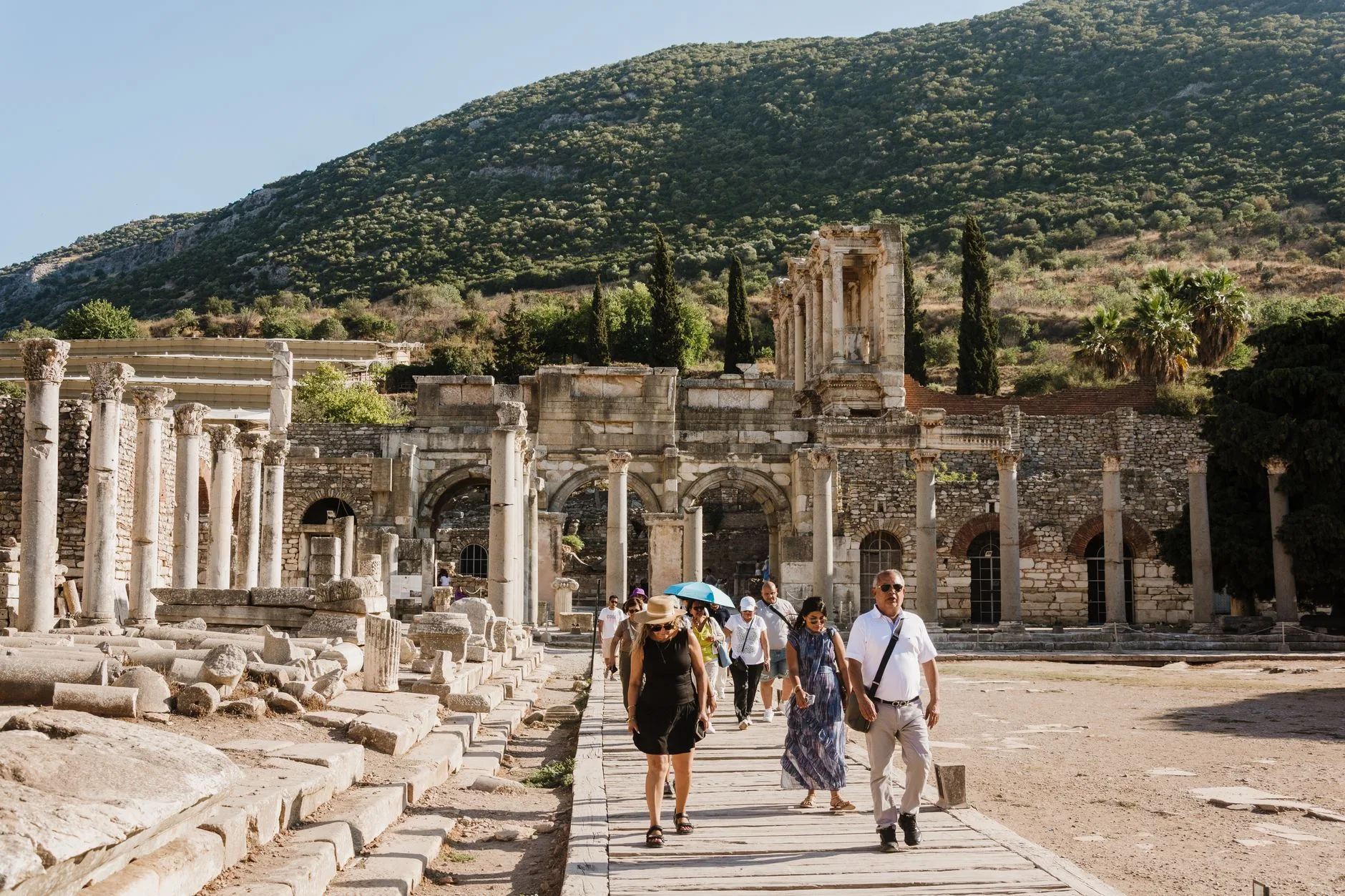
Selçuk, a modest town that most visitors treat as a one-night stopover before or after Ephesus, deserves more time than it gets. The ruins themselves — the Library of Celsus, the Great Theatre, the long marble road — are among the best-preserved Greco-Roman cities anywhere, and Ephesus holds UNESCO World Heritage status for good reason. Entry costs around 25–30 euros as of 2026, steep by Turkish standards, but it’s worth visiting early — the site opens at 8am and the coach tours from Kuşadası cruise port arrive by mid-morning.
A short dolmuş ride up into the hills, the village of Şirince produces fruit wines from mulberry, pomegranate, and peach that are sold by the glass at tiny terrace cafés overlooking stone houses and cobbled lanes. It’s touristy in its own small way, but pleasantly so — nobody’s rushing you, and a $3 glass of wine with a view of the valley at golden hour is as good a use of a budget travel afternoon as exists in this country.
Pamukkale and the Road East to Gaziantep
Pamukkale’s white travertine terraces, fed by calcium-rich hot springs that have been forming these pools for thousands of years, are genuinely strange to walk across barefoot — the mineral deposits feel like wet chalk underfoot, cool in the shallow pools and surprisingly warm where the spring water feeds in. The site sits above the ruins of ancient Hierapolis and carries its own UNESCO designation. Entry is around $20. Go at opening time, 8am, both to beat the tour buses from Antalya and to catch the terraces in soft morning light before the midday sun turns the whole hillside into a glare.
From Pamukkale, most budget travellers backtrack toward the coast — but a longer, more rewarding option is pushing east toward Gaziantep, an overnight bus of roughly thirteen hours. Gaziantep is Turkey’s food capital by most reasonable measure, home to the Zeugma Mosaic Museum’s extraordinary Roman floor mosaics and to baklava made with Antep pistachios so fresh and oily-green they barely resemble the dried, imported version sold elsewhere. Head to Imam Çağdaş in the old town for both the baklava and a plate of künefe, a shredded-pastry dessert soaked in syrup and layered with warm cheese — eaten hot, ideally with a glass of ayran to cut the sweetness. A full meal here, including dessert, rarely tops $10.
Eastern Anatolia: Mardin and Lake Van, Honestly Assessed
This is the part of the guide that requires a caveat: eastern Turkey is far, both in distance and in feel, from the Aegean and Cappadocia routes most travellers follow. Mardin, a honey-coloured hill town of stone houses overlooking the Mesopotamian plain toward Syria, is roughly 1,000km from Istanbul — a 90-minute flight or a genuinely grueling 18-hour bus. Lake Van, further north, offers the 10th-century Armenian church on Akdamar Island and hot springs along its shoreline, but logistics here are looser, dolmuş schedules less predictable, and English less commonly spoken.
None of this makes the region not worth visiting — Mardin’s old town, with its carved stone madrasas and the view across the plain at sunset, is one of the more striking urban landscapes in the country. But it suits travellers with at least ten days to spare and a tolerance for things not always running on time, rather than those trying to fold it into a two-week coastal loop. Check your government’s current travel advisory for provinces near the Syrian border before planning a route out this far east; conditions here shift, and it’s worth five minutes of research rather than an assumption.
Money, SIM Cards, and Where the Budget Actually Goes
The Turkish lira has been volatile for years, which is bad news for Turkish savers and unexpectedly good news for travellers earning in dollars, euros, or pounds — your money goes further here than almost anywhere else in the eastern Mediterranean. That said, inflation means prices quoted in lira age fast; always do the currency conversion in your head rather than trusting a number from last year’s blog post (including, to be fair, parts of this one).
A Turkcell or Turk Telekom tourist SIM, bought at the airport or any city-centre shop with your passport, costs around $15–20 for several gigabytes of data and is worth getting on day one — Google Maps and Obilet both rely on it constantly. Budget accommodation runs $15–20 for hostel dorms, $25–45 for a simple private room or pension, cheaper outside Istanbul and Cappadocia’s peak balloon season (April–May and September–October).
| Region | How to get there from Istanbul | Typical daily budget | Best season | Signature experience |
|---|---|---|---|---|
| Cappadocia | Overnight bus, ~12 hrs | $35–55 | Apr–May, Sep–Oct | Rose Valley walk, cave pension |
| Turquoise Coast (Kaş/Olympos) | Bus to Antalya + minibus, ~14 hrs total | $30–50 | May–Jun, Sep | Lycian Way coastal walking |
| Ephesus/Selçuk | Bus or train, ~6 hrs | $25–40 | Mar–May, Oct | Ephesus ruins, Şirince wine |
| Pamukkale | Bus, ~10 hrs | $25–40 | Spring/autumn | Travertine terraces |
| Gaziantep | Bus, ~16 hrs (or flight) | $20–35 | Year-round, avoid midsummer heat | Baklava, Zeugma mosaics |
| Mardin/Lake Van | Flight (~1.5 hrs) or bus 18+ hrs | $25–40 | Apr–Jun, Sep | Old town, Akdamar Island |
The Bottom Line
Budget travel in Turkey beyond Istanbul rewards patience more than planning apps — the overnight bus is slower than a flight but it’s also where you’ll end up sharing lemon cologne and biscuit packets with retired Turkish couples who’ll want to know where you’re from. Build slack into the itinerary rather than chasing every region in two weeks; Cappadocia and the Turquoise Coast alone, done properly, fill ten days without rushing. Skip the balloon if the budget’s tight — the free sunset viewpoints deliver real wonder without the $200 price tag. And if the route takes you anywhere near the Aegean coast, it’s worth knowing that ferries across to the Greek islands run from Kuşadaş and Bodrum in summer, which pairs naturally with island-hopping routes through Greece if the trip is open-ended. Eastern Anatolia is the region most guides skip entirely; it’s also the one most likely to feel, on arrival, like nowhere you’ve been before — reason enough, for travellers with the time, to go.
Keep reading: What to actually see on your first trip to Istanbul