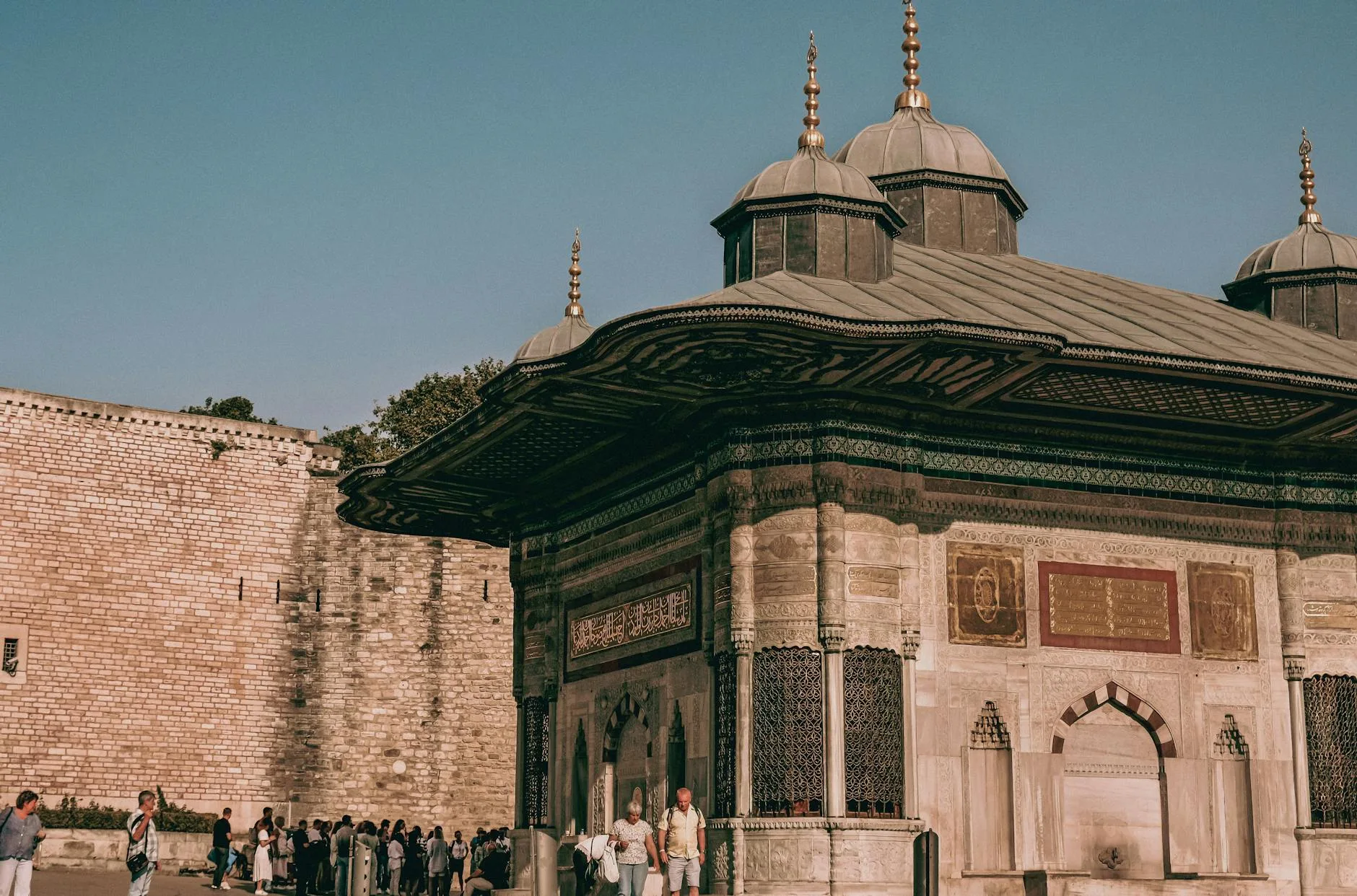
First time in Istanbul: what to actually see
The call to prayer from the Blue Mosque reaches you before you’ve finished your breakfast. You’re sitting on a rooftop somewhere in Sultanahmet, holding a glass of çay so small it barely warms your palm, watching the minarets catch the early light across the Bosphorus. It is, by any honest measure, a lot — and that’s before you’ve left the table.
Istanbul is one of those cities that refuses to be categorised. It is not quite Europe, not quite the Middle East, emphatically not just “exotic”. It is a city of 15 million people, two continents, three thousand years of layered history, and a food culture that will make you question every meal you’ve eaten before. First-timers often arrive with a list of monuments and leave wondering why nobody told them about the ferry to Kadiköy, or the market in Fatih, or the meze plate that appeared without being ordered at a meyhane in Beyoğlu. This guide tries to fix that.
What follows is not a tick-list of landmarks. It’s a practical map of how to move through Istanbul intelligently — which neighbourhoods to stay in, which to wander, what to eat, how to get around, and what to realistically expect.
Where to base yourself: the neighbourhood question matters
The instinct for many first-timers is to stay in Sultanahmet, the historic peninsula where the big monuments cluster. It makes sense on paper. In practice, it means staying in an area that functions largely as a tourist zone after dark — restaurants calibrated to nervous visitors, few locals out walking, a certain staleness once the day-trippers leave.
Sultanahmet is still worth considering if you have fewer than four nights and want to walk to the Hagia Sophia before breakfast. Several good mid-range hotels — Empress Zoe, Hotel Ibrahim Pasha — sit within the neighbourhood without being antiseptic. Just know what you’re getting.
Beyoğlu, north of the Golden Horn and centred on İstiklal Caddesi, is where Istanbul’s social life actually happens. The neighbourhood runs from the grand pedestrian boulevard down into sub-districts like Cihangir, Galata, and Karaköy. These are areas with corner bakeries, cats sleeping on windowsills, steep streets ending in Bosphorus views, and a mix of residents that includes artists, students, and families who’ve been there for decades. A mid-range apartment rental or boutique hotel in Cihangir or Galata puts you 15 minutes from Sultanahmet by tram and inside the city’s real daily rhythm.
Kadiköy, on the Asian side, is an option worth knowing about — especially for stays of five nights or more. It’s younger, cheaper, denser with good food, and reached by ferry from Eminönü or Beşiktaş in about 25 minutes.
The monuments: honest assessments of what’s worth your time
Hagia Sophia
It became a working mosque again in 2020, which changes the visit. Women are required to cover their heads; shoes come off at the door. Entry is free. Arrive before 9am or after 4pm to avoid the worst of the crowds — midday in July is a serious crush. What you’re there to see is the sheer spatial audacity of the 6th-century dome, the Byzantine mosaics still visible above the prayer areas, and the sense of a building that has been, in succession, a cathedral, a mosque, a museum, and a mosque again. No amount of photography prepares you for the interior volume. Give it an hour minimum.
The Blue Mosque (Sultan Ahmed Camii)
Directly opposite Hagia Sophia, and worth entering for the tiled interior — 20,000 Iznik tiles in blues and greens that wash the light into something cool and dim. It remains an active mosque and closes to visitors during prayer times (roughly five times daily, for 90 minutes each). Check the schedule before you walk over. Entry is free.
Topkapı Palace
Budget a half-day, not two hours. The palace complex is large and the highlights — the Harem, the Treasury, the Pavilion of the Holy Mantle — are spread across multiple courtyards. Tickets for the main palace and a separate ticket for the Harem (buy it at the second courtyard, not online, to avoid surcharges). The Treasury houses the Topkapı Dagger and the 86-carat Spoonmaker’s Diamond; the Harem is a labyrinth of tiled rooms and corridors that housed hundreds of people in a world almost impossible to reconstruct from the outside. It costs around 1,200 Turkish lira for the combined ticket in 2026 — prices fluctuate significantly with inflation, so check the official Topkapı Palace website before you go.
The Grand Bazaar and the Spice Bazaar
Both are worth entering, but with different expectations. The Grand Bazaar (Kapalıçarşı) is one of the world’s oldest covered markets — 60 streets, 4,000 shops, and a navigational logic that takes about 20 minutes to begin to understand. The tourist-facing stalls near the main gates sell the same ceramics and scarves you’ll find everywhere; push further in, past the gold traders and the leather workshops, and the market starts to feel like itself. The Spice Bazaar (Mısır Çarşısı) near Eminönü is smaller and more focused — saffron, dried figs, sucuk (spiced sausage), lokum, and the particular smell of roasted nuts that hits you from the street outside. Go to the Spice Bazaar in the morning when it’s more local and less frantic.
Beyond the monuments: where Istanbul actually lives
Fatih and Balat
These two adjacent neighbourhoods on the European side, north of Sultanahmet along the Golden Horn, deserve a morning or an afternoon. Fatih is a conservative, largely working-class district with some of the best börek in the city — Karaköy Güllüoğlu has the famous branch in Karaköy, but the neighbourhood börekçis in Fatih serve the same pastry without the queue. Balat, just west of Fatih, was historically a Jewish and Greek neighbourhood and now exists in an odd, interesting tension between gentrification and the everyday — coloured houses on steep streets, a few good coffee spots, and the Fener Greek Orthodox Patriarchate still functioning quietly on a side street.
Kadiköy
Take the ferry from Eminönü or Beşiktaş to reach the Asian side. Kadiköy’s market street (Moda Caddesi and the lanes around it) is the kind of place where you buy olives and cheese from a specialist, not a supermarket. There’s a fish market, a produce hall, and a dozen tiny meyhanes. Sit somewhere, order a beer and a spread of meze, and watch the afternoon pass. On weekends, the neighbourhood is full of Istanbul’s younger residents doing exactly the same thing. The ferry back at sunset, watching the city reassemble itself in fading light across the water, is not nothing.
Çukurcuma and Cihangir
These two overlapping neighbourhoods in Beyoğlu are where Istanbul’s antique traders and design shops have congregated for decades. Çukurcuma is a steep, winding quarter dense with second-hand furniture shops, old maps, Soviet cameras, and Ottoman artefacts of varying legality. It featured in Orhan Pamuk’s The Museum of Innocence, and Pamuk subsequently opened the actual Museum of Innocence here — a collection of everyday objects from mid-20th century Istanbul arranged as though the novel’s story really happened. It is genuinely worth two hours and is unlike any other museum in the city.
What to eat, and where
Istanbul’s food is not a single cuisine — it’s a city-sized accumulation of regional Turkish cooking, Ottoman palace traditions, and immigrant influences from the Balkans, the Caucasus, and the Levant. A few things to actually order:
- Balık ekmek: a grilled fish sandwich served from floating boats at Eminönü dock. Mackerel, onion, parsley, squeeze of lemon. Eat it standing at the water.
- Lahmacun: thin flatbread with spiced minced meat, rolled with herbs and lemon. Every neighbourhood has one good lahmacun spot. In Beyoğlu, Borsam Taşfırın on Hamalbaşı Caddesi is consistently good.
- İskender kebap: thinly sliced döner over bread, drenched in tomato sauce and hot butter, served with yoghurt. Originally from Bursa but eaten across Istanbul. Heavy, filling, and eaten at lunch.
- Meze at a meyhane: a meyhane is an old-school Turkish tavern, usually serving rakı (the anise spirit) alongside small cold plates — ezme, cacık, midye dolma (stuffed mussels), arnavut ciğeri (fried liver). In Beyoğlu, the meyhanes on and around Nevizade Sokak off İstiklal Caddesi have been doing this for generations. Crowded, noisy, genuinely good.
- Simit: the sesame-crusted ring bread sold from carts everywhere. Breakfast, snack, or tide-you-over. Costs almost nothing.
- Turkish breakfast (kahvaltı): a slow spread of cheese, olives, eggs, honey, clotted cream, tomatoes, and various pastries. Van Kahvaltı Evi in Cihangir does a version from eastern Turkey that takes over a table for an hour.
For context on how to approach busy market food situations, the principles in how to eat at local markets in Southeast Asia apply broadly — arrive early, follow the crowd, know what you’re ordering before you join a queue.
Getting around: the practical reality
Istanbul is a large, topographically complicated city. The European and Asian sides are connected by bridges, ferries, and metro lines. Here’s what actually works:
| Transport | Route | Cost (approx 2026) | Notes |
|---|---|---|---|
| Tram (T1) | Kabataş ↔ Bağcılar via Sultanahmet | ~15 TL per journey | Covers most major sights; crowded at rush hour |
| Metro (M2) | Taksim ↔ airport connections | ~15 TL per journey | Taksim to Şişhane (Galata) one stop |
| Ferry (IDO/BUDO) | Eminönü ↔ Kadiköy, Üsküdar | ~25 TL | Scenic, practical, runs frequently |
| Funicular (F1) | Kabataş ↔ Taksim | ~15 TL | Saves a steep uphill walk |
| Taxi/ride app | Citywide | Variable | Use BiTaksi or InDrive apps; agree price or use meter |
| Airport metro (M11) | New Istanbul Airport ↔ Gayrettepe | ~100 TL | ~40 mins; cheaper and faster than taxi |
Get an İstanbulkart (the reloadable transit card) from any metro station vending machine on arrival — it covers trams, metro, ferries, and funiculars at a discount over cash fares.
Taxis from the airport to Sultanahmet will cost 600–1,000 TL depending on traffic and whether the driver attempts a detour. The metro is almost always the better option for arrivals.
Practical logistics: entry, money, and timing
Visas: Most Western passport holders need an e-Visa for Turkey, applied for online before travel at evisa.gov.tr. Cost in 2026 is USD 50 for most nationalities. Do not pay third-party sites — the official site is straightforward and the only one you need. Check Turkey’s official e-Visa portal for current requirements by nationality.
Currency: Turkish lira (TRY). Inflation has been significant over recent years — prices quoted here will date quickly. ATMs are plentiful; use bank ATMs rather than standalone exchange kiosks. Credit cards are accepted widely in Beyoğlu and tourist areas, less reliably in markets and smaller neighbourhood spots.
Best time to visit: April–May and September–October. Summers are hot (35°C+ in July), crowded, and expensive. Winters are grey, cool, and genuinely pleasant for a city visit with fewer visitors. Ramadan (dates vary) adds a layer of interest — iftar meals at dusk are communal and generous, though some restaurants in conservative neighbourhoods may be closed during daylight hours.
Language: Turkish. English is widely spoken in tourist areas and restaurants. In Fatih, Balat, and Kadiköy’s market streets, a little Turkish goes a long way. Learn to say teşekkürler (thank you), bir çay lütfen (one tea please), and kaç para? (how much?) and you’ll be fine.
If you’re thinking about how to engage respectfully in religious spaces — mosques and the Patriarchate included — the guide on how to respectfully visit religious sites abroad covers the practical and cultural basics in useful detail.
A suggested first-week shape
Days 1–2: Sultanahmet — Hagia Sophia, Blue Mosque, Topkapı Palace, Spice Bazaar, evening balık ekmek at Eminönü.
Day 3: Beyoğlu — walk İstiklal Caddesi from Taksim south, turn into Çukurcuma and Cihangir, Museum of Innocence, meyhane in Nevizade Sokak for dinner.
Day 4: Grand Bazaar morning (early, before 10am), then take the tram to Eminönü and ferry to Kadiköy for the afternoon market and lunch.
Day 5: Fatih and Balat — morning at the Chora Church (Kariye Mosque, now restored as a mosque), wander Balat streets, afternoon tea in a local çay evi.
Day 6: Bosphorus ferry — the public ferry from Eminönü up the Asian and European shores to Anadolu Kavağı takes 1.5 hours each way and costs around 100 TL round trip. Get off at the village, eat fish, take the return ferry back as the light drops.
The Bottom Line
- Don’t rush Sultanahmet, but don’t linger there either. Two days covers the monuments well; basing yourself in Beyoğlu or Karaköy gives you more of the city’s actual texture.
- The ferry network is underused by first-timers and is genuinely one of Istanbul’s best features. The Eminönü to Kadiköy crossing, the Bosphorus tour, and the commuter ferries to Üsküdar all reward the time they take.
- Food is the real argument for being here. A good lahmacun, a meyhane meze spread, and a slow Turkish breakfast will tell you more about Istanbul than most guidebook summaries.
- Prices shift fast. Turkey’s inflation rate means any number in this guide may be out of date by the time you travel — use them as proportional guides, not absolutes. Get an İstanbulkart on arrival and check current entry fees at the door.
- Give yourself at least five full days. Four is survivable; three is a highlights reel with no texture. Istanbul is not a city that makes sense quickly, but it rewards patience and wandering in ways that few places do.
Keep reading: Best local food markets in Europe for travellers