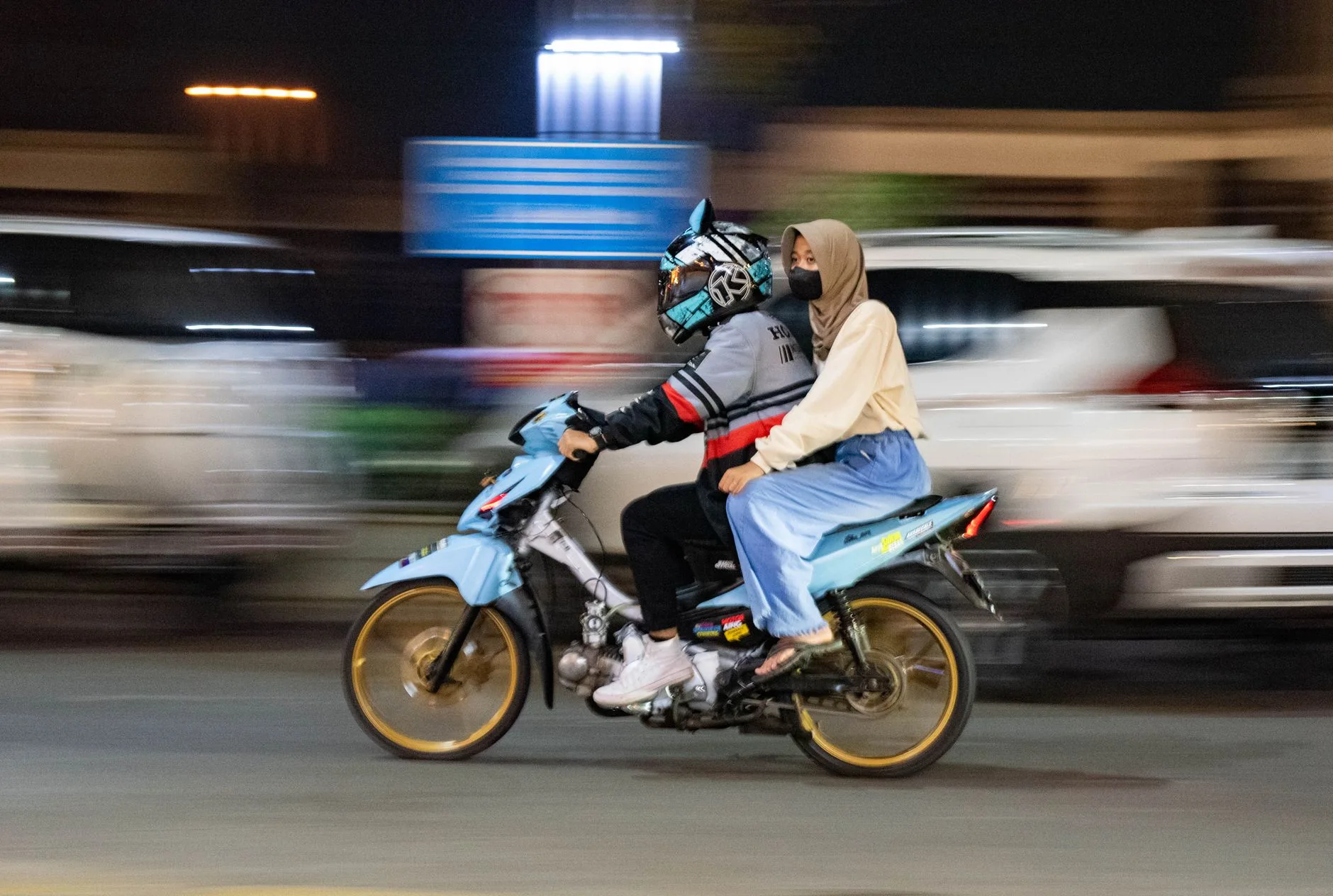
How to get around South America without flying
The bus from Medellín to Cartagena leaves the Terminal del Norte at 9 p.m. and pulls in around seven the following morning, giving you ten hours of Andean darkness and a cheap reclining seat, then the heat of Colombia’s Caribbean coast at dawn. By the time you step out into the sticky air outside Cartagena’s terminal on Diagonal 17, you’ve crossed a significant stretch of a continent without touching an airport. That, in miniature, is what overland travel in South America feels like: slow, occasionally cramped, unexpectedly social, and absolutely full of landscape you’d have flown straight over.
South America is vast — roughly twice the size of Europe — and its geography ranges from Patagonian steppe to Amazonian basin to high-altitude Andean altiplano. The distances are real, and you should go in clear-eyed: some routes take two days on a bus, border crossings can be chaotic, and not every country has functioning rail. But the infrastructure for ground and water travel is far better than most visitors expect, and for long-haul routes, overnight buses regularly beat the combination of airport queues, check-in waits, and baggage delays.
This guide covers the main corridors, modes, border crossings, rough costs, and what you’ll actually encounter on each. It’s designed for people doing a multi-country trip of three weeks or more, though individual sections apply to shorter journeys too.
The backbone: long-distance buses
Across most of South America, the bus is the primary means of long-distance travel, and it ranges from functional to genuinely comfortable depending on the country and company you choose.
Argentina and Chile have the highest-quality intercity bus networks on the continent. In Argentina, companies like Andesmar, Flecha Bus, and Cruz del Sur run cama (full flat bed) and semi-cama services between major cities. Buenos Aires to Mendoza is around 13 hours on a semi-cama for roughly USD 30–50; Buenos Aires to Bariloche is 22 hours and around USD 50–80. From Mendoza to Santiago, Chile, crossing the Andes through the Los Libertadores pass, takes 7–8 hours and costs USD 25–40. That route, on a clear day, delivers snow-capped peaks framed in bus windows — one of the great free spectacles of South American travel.
Colombia has a dense and reliable bus network. Bogotá to Medellín (about 9 hours, USD 20–30), Medellín to Cartagena (as above), and Bogotá to Cali (9 hours, USD 20–25) are well-served routes with multiple daily departures. The terminal in Bogotá, the Terminal de Transporte del Norte or Sur depending on destination, handles hundreds of buses daily. Book ahead for long weekends and holidays, when seats sell out.
Peru and Bolivia are slower, rougher, and higher. Cusco to Puno is 6–7 hours on the altiplano at 3,800 metres, often on a tourist-oriented hop-on bus that makes stops at La Raya pass and Andahuaylillas. From Puno you can cross into Bolivia at the Desaguadero or Copacabana border — Copacabana being the quieter, more scenic option, with Lake Titicaca visible from the road. La Paz to Uyuni is 10 hours on a rough overnight bus; book with Trans Omar or Expreso del Sur from the bus terminal on Avenida Antofagasta.
Ecuador is small enough that buses are the obvious choice for everything. Quito to Cuenca runs about 9–10 hours; Quito to Guayaquil is 8 hours. Buses depart the Quitumbe terminal in southern Quito.
In general: if there’s a premium option (full cama, with meals, bladder-testing legroom), take it on routes over ten hours. The price difference is usually USD 10–20 and the difference in how you feel on arrival is significant.
Rail: limited but worth knowing
South America’s rail network is a shadow of what it was a century ago. Most passenger lines were privatised and then abandoned from the 1980s onward. That said, a few routes remain, and two are genuinely worth building a trip around.
The Tren a las Nubes (Argentina) runs from Salta into the Puna desert, climbing to 4,220 metres through a series of viaducts and zigzags. The train currently operates as a tourist excursion rather than a transport link — Saturday departures from Salta’s railway station, roughly USD 30–50. It’s not a practical method of getting between cities, but it’s an extraordinary half-day in the high desert, and Salta itself — with its colonial plaza and empanadas de carne stuffed with olives and hard-boiled egg — rewards a longer stay.
The Tren Patagónico (Argentina) runs between Viedma and Bariloche, a 16-hour overnight journey across flat Patagonian steppe that most tourists bypass entirely. It operates a few times a week and costs around USD 20–35. The scenery is desolate and horizontal — scrub, guanaco, sky. Arrive into Bariloche at dawn.
Bolivia’s rail connects Oruro to Villazón on the Argentine border, operated by Ferroviaria Andina. The service to Tupiza and Villazón is a practical option for crossing into Argentina without a bus, running several times a week.
Brazil’s intercity rail is negligible. For Brazil, buses are everything.
Ferries, lake crossings, and river boats
Water travel in South America is underused by most travellers and rewarding precisely because of that.
Lake Titicaca, Bolivia/Peru. The classic crossing by catamaran between Puno (Peru) and Copacabana (Bolivia) is a full-day journey with a stop at Isla del Sol. Titicaca Catamaran runs scheduled services; the full crossing takes about 8 hours and costs around USD 50–80 including the midday island stop. You can also take a shorter local boat to Isla Taquile or Isla Amantaní from Puno’s port — less polished, more time in the actual lake.
The Lake Crossing, Chile/Argentina (Lagos route). This is one of the finest overland-and-water routes on the continent: a two-day journey from Puerto Montt (Chile) to Bariloche (Argentina) via a series of ferries and bus segments across lakes Todos Los Santos, Frías, and Nahuel Huapi, with the Osorno and Tronador volcanoes visible for much of it. Cruce de Lagos operates the service; it costs around USD 250–350 and includes accommodation in Peulla for one night. It’s not budget travel, but it’s slow, beautiful, and unlike anything else in South America.
The Amazon, Brazil. Travelling by cargo boat between Belém and Manaus takes 4–5 days on the river, stopping at riverside towns like Santarém. You bring or rent a hammock, sleep on the deck among other travellers and locals, eat the canteen meals (fish rice, farinha, beans), and watch the river widen. BENTO, Amafrut, and other operators run these routes from the Doca do Ver-o-Peso in Belém or the Porto Flutuante in Manaus. Costs are roughly USD 60–100 for a hammock spot and meals. It is slow, occasionally hot, sometimes loud, and worth every hour.
Patagonian fjords, Chile. The Navimag ferry from Puerto Montt to Puerto Natales crosses the Patagonian channels over three to four days. It’s a working ferry, not a cruise — cargo, vehicles, and passengers sharing a utilitarian boat — but the scenery through the fjords is extraordinary. A bunk in a shared cabin costs around USD 250–350 including meals. Navimag runs the service; book well ahead in peak season (November–March).
Key border crossings overland
Most South American borders are manageable; a few require planning.
| Border crossing | Countries | Method | Approx. time | Notes |
|---|---|---|---|---|
| Foz do Iguaçu / Puerto Iguazú | Brazil / Argentina | Bus or taxi | 20–30 min | Frequent, easy; both sides have the falls |
| Copacabana | Bolivia / Peru | Bus + foot | 1–2 hours | Stop in Copacabana (Bolivia) before crossing |
| Desaguadero | Bolivia / Peru | Bus + foot | 1–2 hours | Busier, less scenic than Copacabana |
| Los Libertadores | Chile / Argentina | Bus through pass | 6–7 hours (Mendoza–Santiago) | Closed in heavy snow; check November–March |
| Villazón / La Quiaca | Bolivia / Argentina | Foot crossing | 30–60 min | Connects to Tucumán and beyond by bus |
| Chacalluta / Santa Rosa | Chile / Peru | Bus + foot | 2–3 hours | Arica (Chile) to Tacna (Peru) is a useful segment |
| Paso de Jama | Argentina / Chile | Bus | 7–8 hours (Salta–San Pedro de Atacama) | High and cold; spectacular Andean desert |
| Cúcuta / San Antonio del Táchira | Colombia / Venezuela | Foot / bus | Variable | Venezuela entry requires careful current research |
The Colombia–Ecuador crossing at Ipiales/Rumichaca is the main northern land border: cross on foot, pick up a bus on either side. Currently takes 1–3 hours depending on queues. The Tumbes/Huaquillas crossing between Peru and Ecuador is busier and less straightforward; allow a full day and watch your bags.
Specific corridor: Colombia to Argentina overland
For travellers doing a full north-to-south run — the classic South American circuit — here is a realistic skeleton route with overland and water connections only.
Cartagena → Bogotá — Bus via the Troncal de Occidente, 20–22 hours (or fly to save time; this is one segment where flying is genuinely tempting). Alternatively, take the river boat from Mompox to Magangué and bus south — adds two days but takes you through the Magdalena River floodplains.
Bogotá → Cali → Ipiales — Two separate buses; Cali to Ipiales is 8–9 hours through the Cauca valley. Cross into Ecuador at Ipiales/Rumichaca.
Quito → Cuenca → Huaquillas — Bus south; cross into Peru at Tumbes.
Lima → Cusco — Cruz del Sur runs Lima to Cusco overnight (21 hours, USD 40–80). Or break the journey in Nazca or Arequipa.
Cusco → Puno → Copacabana → La Paz — Bus to Puno, local border crossing, bus to La Paz.
La Paz → Uyuni → Villazón — Bus south through the Bolivian altiplano; cross into La Quiaca (Argentina) on foot.
Jujuy → Salta → Tucumán → Buenos Aires — Argentina’s northwest by bus, then long-haul south. Buenos Aires to Mendoza or Bariloche for Patagonia.
Allow a minimum of five weeks for this full run done at any kind of pace. Seven weeks is more honest if you want to stop in places rather than just pass through — and given the landscape between, say, Salta and Uyuni, you’ll want to stop.
If Patagonia is on the itinerary, the multi-day hikes around El Chaltén and Torres del Paine are worth every day you can give them — you can find detailed route guidance for beginners in our guide to multi-day hikes in Patagonia.
Practical logistics: booking, costs, and what to carry
Booking buses: In Argentina and Chile, use the Plataforma 10 or Redbus platforms. In Colombia, Redbus.co covers most operators. In Peru and Bolivia, buying at the terminal on the day is often fine outside peak periods, though for overnight cama buses in Peru, booking 24 hours ahead is wise. In Brazil, Clickbus aggregates most long-distance routes.
Costs: Rough daily transport budget for bus-heavy travel: USD 15–25 in Bolivia and Ecuador, USD 20–35 in Peru and Colombia, USD 30–50 in Chile and Argentina (Argentine prices fluctuate; check current exchange rates before budgeting — the blue dollar rate has historically made Argentina cheaper in practice than listed prices suggest, though the gap has narrowed since 2024 currency reforms).
What to carry on overnight buses: Layers (air conditioning on South American buses is aggressively cold, even in tropical regions), a light blanket or sleeping bag liner, a padlock for your bag in the hold, snacks for routes where roadside stops are the only food option, a power bank, and a Spanish phrasebook. You do not need to speak fluent Spanish to navigate buses, but numbers, destinations, and basic questions will smooth every interaction.
Health at altitude: If you’re crossing from sea level into Bolivia or the Peruvian altiplano, altitude sickness is a real consideration. Arriving in La Paz (3,640m) or Cusco (3,400m) by bus means a gradual ascent, which often helps compared to flying in. Drink water, eat light on day one, and consider coca tea — available at any market stall in either city and genuinely useful for mild altitude symptoms.
Travelling this way also connects directly with the kind of trip that prioritises depth over distance. How to spend a month in Colombia on a budget covers a useful single-country framework if you want to go slow in the north before heading south.
Carbon and the overland choice
Flying between, say, Lima and Buenos Aires emits roughly 250–300 kg of CO₂ per passenger. The equivalent bus journey, over several days, emits a fraction of that. This is not the primary reason most people choose ground travel — pace, landscape, and cost are more likely drivers — but it is a meaningful secondary one. The BBC’s climate travel coverage consistently notes that surface transport is the most significant single change a traveller can make to reduce emissions. Ground travel across South America doesn’t require any sacrifice of experience. On most routes, it improves it.
For more on this, the National Geographic guide to sustainable travel choices offers useful context on transport emissions globally.
The Bottom Line
- Buses are the real backbone. Argentina, Chile, Colombia, and Peru have reliable, comfortable long-distance networks. Invest in semi-cama or cama on routes over ten hours — the price difference is small, the comfort difference is not.
- The Lagos Crossing (Chile to Argentina) and the Navimag ferry are genuinely outstanding. Neither is cheap, but both deliver two or three days of scenery that no flight could replicate.
- Amazon river boats are slow, social, and require zero logistics beyond getting to the port. If you have four days between Belém and Manaus, use them this way.
- The full Colombia-to-Patagonia overland route is achievable in five to seven weeks. Budget for the time more than the money — the routes are affordable, but rushing them misses the point entirely.
- Altitude matters more than most plans account for. Build in acclimatisation days in Cusco, La Paz, and on the altiplano. A day lost to altitude sickness is a worse delay than a slow bus.
Keep reading: Best multi-day hikes in Patagonia for beginners