Photo by urtimud.89 on Pexels
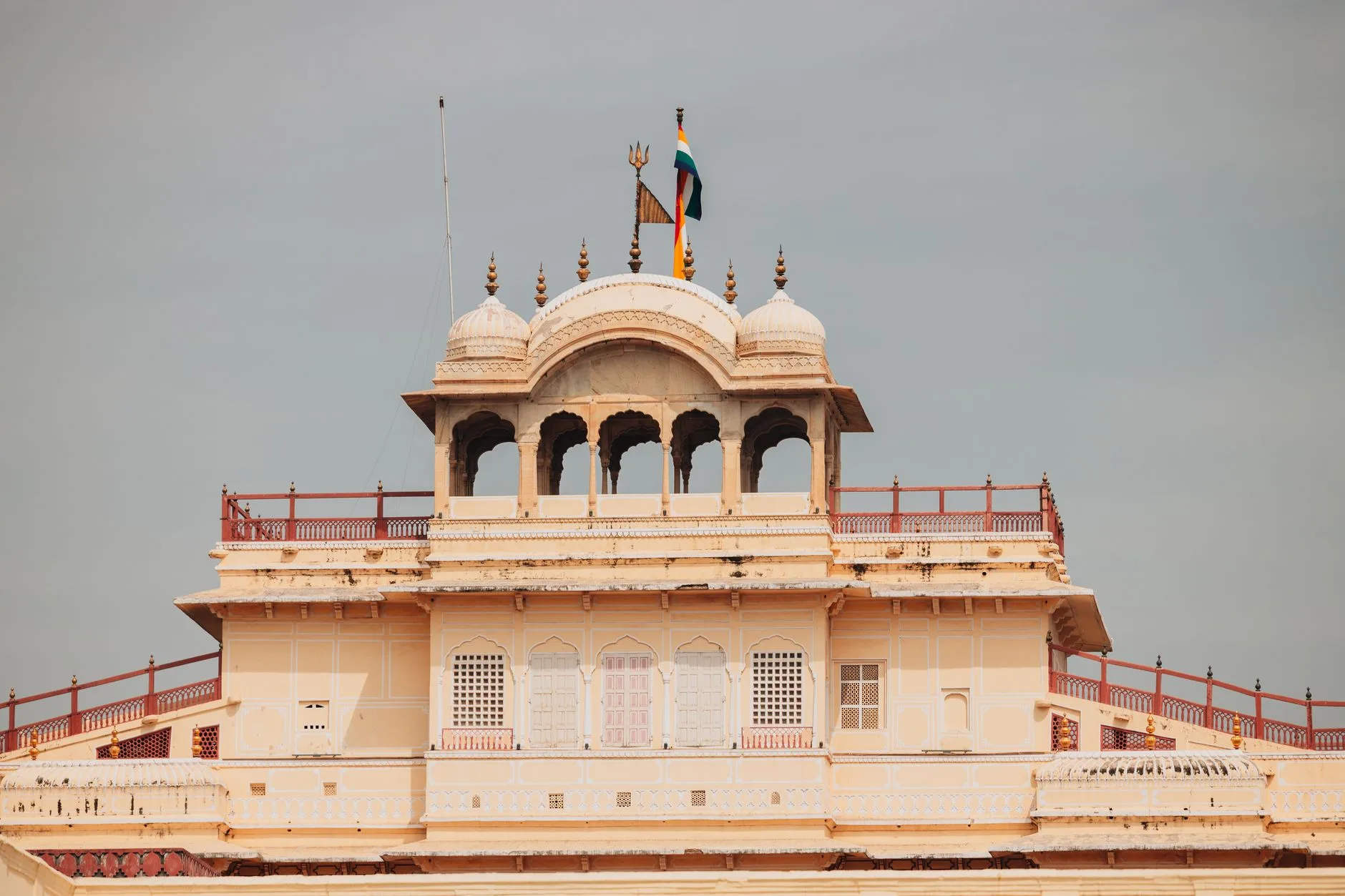
Rajasthan is what most people imagine when they picture India — the state of forts and palaces, desert landscapes, brightly coloured markets, and distinctive cultural traditions that haven’t been diluted by modernisation. The western state stretches from the Thar Desert on the Pakistani border to the Aravallis mountains in the east, covering an area larger than Germany.
It’s also one of India’s most tourist-developed regions, which means prices for entry fees, accommodation, and tourist activities are higher than in comparable areas elsewhere in the country. But budget travel in Rajasthan is entirely feasible if you know where money is wasted and where it isn’t.
Getting In and Getting Around
Entry: Most nationalities require an Indian e-Visa (evisa.india.gov.in) — apply 4 days in advance; a 30-day tourist e-Visa costs approximately £20–25.
Getting to Rajasthan: Jaipur (JAI) is the main entry airport, with direct flights from London (8 hours), Dubai, and major Indian cities. Delhi (3–5 hours by overnight train) is the most common overland starting point.
Getting around Rajasthan:
Trains: The best value intercity transport. Indian Railways is the backbone of Rajasthani travel — sleeper class on overnight trains costs ₹300–800 ($3.50–9.50) for journeys that would take 6–12 hours. Book via irctc.co.in (registration required) or through apps like Trainman or Ixigo. Book 30–60 days in advance for sleeper and AC 2-tier classes, which sell out quickly.
State buses (RSRTC): Rajasthan’s government bus network covers most towns not served by trains, including smaller destinations between the main cities. Cheaper than trains on equivalent routes but less comfortable for long distances.
Private sleeper buses: On popular tourist routes (Jaisalmer–Jaipur, Udaipur–Jodhpur), private operators run air-conditioned or semi-deluxe sleeper buses. Around ₹400–800 ($5–10) per journey. More comfortable than state buses.
Sharing jeeps/rickshaws: For shorter distances between towns, shared jeeps and autorickshaws supplement train and bus.
The Main Cities
Jaipur (the Pink City)
Rajasthan’s capital, known for the terracotta-pink buildings of the old city (a 19th-century paint job for a royal visit that became permanent). The Amber Fort (10km outside the city) is the state’s most visited monument — a hilltop fort with ornate Mughal-Rajput architecture and views over the lake below. City Palace, Jantar Mantar (a 18th-century astronomical observatory that is genuinely fascinating), and the Hawa Mahal (Palace of Winds — a five-storey facade of 953 windows through which the women of the royal court could observe street life while remaining hidden) are the main city sites.
Budget accommodation in Jaipur: ₹400–900 for a dorm bed, ₹800–2,000 for a budget private room in the old city or near the railway station.
Jodhpur (the Blue City)
The second city of Rajasthan — the old city’s houses are painted in shades of indigo and cyan (originally indicating Brahmin households, now maintained as a tradition and for heat reflection). Mehrangarh Fort towers above the city on a 125m sandstone cliff, one of the most dramatic fort settings in India. The fort museum is among the best in Rajasthan — allow 3 hours. The old city market area beneath the fort is excellent for local food and less touristy than Jaipur’s bazaars.
Jaisalmer (the Golden City)
The westernmost major city, rising from the Thar Desert 100km from the Pakistani border. The fort (Sonar Quila) is lived-in — approximately 4,000 people still reside within the sandstone walls, including hotels, restaurants, and shops. The dunes at Sam (45km west) are the classic Thar Desert experience: a camel safari to the dunes followed by a night in a desert camp. Budget camps: ₹800–1,500/person including dinner and breakfast. More expensive glamping options from ₹3,000+.
Udaipur
Lake city in the south of Rajasthan — arguably the most beautiful. The City Palace complex sits on the eastern shore of Lake Pichola, with the Lake Palace Hotel floating on an island in the middle (used as the villain’s lair in the James Bond film Octopussy). The old city is compact and largely pedestrianised; the ghat areas along the lake make good early morning and evening walks. Udaipur is significantly more expensive than Jodhpur or Jaisalmer for accommodation.
Costs
Rajasthan is the most expensive region in India for entry fees (the “foreigner rate” for heritage sites is significantly higher than the Indian rate):
| Item | Approximate cost |
|---|---|
| Amber Fort entry (foreigners) | ₹550 (~£5) |
| Mehrangarh Fort entry (foreigners) | ₹600 (~£5.50) |
| Budget guesthouse, dorm | ₹300–800 ($3.50–9.50) |
| Budget guesthouse, private room | ₹800–1,800 ($9.50–21) |
| Thali meal, local restaurant | ₹100–200 ($1.20–2.40) |
| Restaurant meal, tourist area | ₹300–600 ($3.50–7) |
| Overnight train (sleeper class) | ₹300–800 ($3.50–9.50) |
| Camel safari, Sam dunes, 1 night | ₹800–1,500 ($9.50–18) |
Budget daily spend in Rajasthan: £20–35 including accommodation, food, local transport, and entry fees. Cheaper in smaller towns; higher in Udaipur and peak-season Jaipur.
Budget Tips
Book trains in advance: Sleeper and AC-2 class fill quickly, particularly in winter (October–February, peak season). The “tourist quota” seats are reserved for foreign tourists and released 24–48 hours before departure if not used — ask at railway offices.
Eat where locals eat: A full dal makhani or vegetable thali with unlimited refills costs ₹100–200 at a local dhaba. The same meal in a tourist restaurant costs ₹400–600.
Negotiate rickshaw fares before you get in: Always. Fares in tourist areas are inflated as a starting point.
Stay just outside the tourist core: Budget guesthouses one street back from the main tourist areas are 30–50% cheaper and almost as convenient.
When to Go
October–February is the best season: dry, warm (25–30°C days, cool evenings), pleasant for walking. March–April is warm and transitional. May–August is extremely hot (45°C+ in the desert cities) and the Jaisalmer dunes are effectively inaccessible in peak summer. The monsoon arrives in Rajasthan from late July and brings some rain.
Conclusion
Rajasthan is worth taking time over — a circuit of 3–4 cities over 2–3 weeks gives you the breadth to understand the differences between each:
- Book trains 30–60 days in advance — sleeper class on overnight trains is comfortable and very cheap
- Eat dal bhat/thali at local dhabas — best food in Rajasthan is not in tourist restaurants
- Jaisalmer’s dunes are worth the trip — book a budget desert camp directly rather than through a hotel
- Udaipur is worth the extra cost — the lake city is uniquely beautiful and worth at least 3 nights
- October–February is the only season — summer heat makes much of Rajasthan genuinely difficult
Keep reading: How to travel Kyrgyzstan independently on a budget