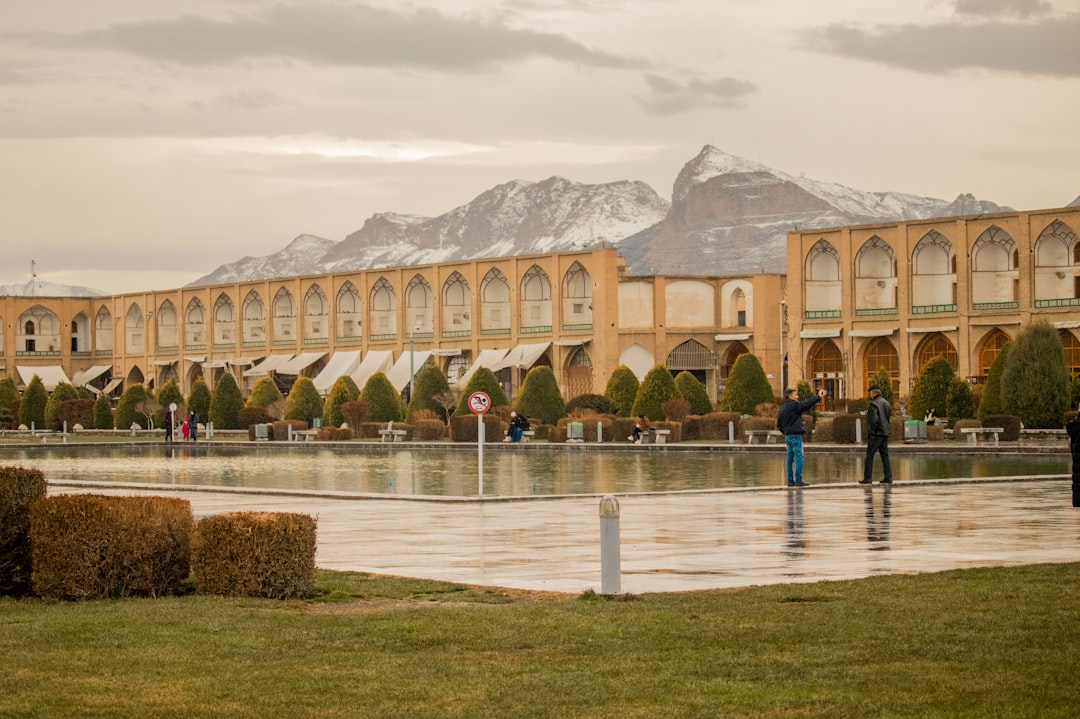
Photo by Sina Bahar on Unsplash
You arrive in Iran expecting geopolitical tension. What you find instead is immediate, specific logistics you didn’t anticipate: your international debit card won’t work, you need to exchange money through street money-changers or the hawala system, and you cannot travel as a truly solo tourist—you’ll be on an organized tour for the first 5 days minimum, then free.
What most travel writing doesn’t say: the on-the-ground realities of Iran are practical, not philosophical. The visa is achievable but requires specific channels. The money situation is real but solvable. The dress codes are enforced but clear. The architecture and hospitality are genuine. The political system is restrictive, but that doesn’t mean you can’t travel there safely.
The Visa Situation: It’s Achievable, But Has Real Constraints
Iran does not issue tourist visas directly to most Western passports—Americans, Canadians, Brits, and many Europeans must apply through an intermediary tour operator. This isn’t a suggestion; it’s a legal requirement.
The process:
1. Find a licensed tour operator specializing in Iran. Several are legitimate: Responsible Travel (UK-based), Nomadic Expeditions, or Iranian operators like SITO (System for Iranian Tourism Organization).
2. Apply through them. Cost: $50–150 for visa facilitation alone (separate from tour cost).
3. You must join an organized tour for a minimum of 3–7 days. This sounds restrictive; it’s not. The tours are not herded experiences. You tour with a small group of 6–12 people and a guide for the first week.
4. After the organized portion ends, you receive a tourist visa valid for your stated duration (up to 30 days), and you’re free to travel independently.
Where the mandatory tours go: Isfahan, Shiraz, Yazd, Tehran, and sometimes Persepolis. These are among the most beautiful cities in the world anyway, so this isn’t a compromise.
Cost: A 7-day guided tour costs $800–1,500 total (including visa, accommodation, most meals, and local guide). After day 7, you’re on your own.
Documentation: Bring your passport (valid at least 6 months beyond travel), a return ticket or proof of onward travel, and travel insurance that covers Iran (standard U.S. providers often won’t; seek specialists like World Nomads or Allianz).
Politically: Traveling to Iran as a U.S. citizen is not illegal, but the U.S. State Department discourages it. Your tour operator will understand the nuances; don’t lie to any authority about your plans. Be honest and straightforward.
Visas and the Legal Realities
Iran doesn’t issue tourist visas directly to most Western passports. You’ll need to apply through an intermediary tour operator, and you’ll need to be on an organized tour for at least part of your stay. This is not a suggestion; it’s a requirement, especially for Americans, Canadians, and some European nationalities.
Several operators specialize in responsible tourism to Iran and maintain good relationships with government agencies. The cost ($50–150 for the visa facilitation) is worth it. You’ll join a group for the mandatory portion—usually 3–5 days, often in the cities with the greatest infrastructure (Isfahan, Shiraz, Yazd, or Tehran). This is not a hardship. These are among the most beautiful cities in the world.
After the mandatory tour ends, you can travel independently throughout the country on the tourist visa granted. This is where the real exploration happens.
Politically: understand that Americans traveling to Iran are, functionally, engaging in an act of relationship-building. The U.S. government discourages it. The Iranian government appreciates the soft diplomacy. Individual Iranians are often moved by the fact that someone from the U.S. chose to see their country as a place to visit, not a problem to solve. This awareness can be uncomfortable. The discomfort is honest.
Get appropriate travel insurance that covers Iran. Standard U.S. providers often won’t; seek specialists. If something happens, evacuation can be costly.
Money: The System Nobody Explains
Your international debit card will not work in Iran. Credit cards are similarly useless. This is due to sanctions. Plan accordingly.
How to get money:
1. Bring USD or EUR cash. Physically carry it in your bag. Bring more than you think you’ll need. Official exchange rates are terrible; street rates are better.
2. Exchange at licensed money changers (sarafs). These exist in every city. Walk into a saraf shop (look for signs that say “صرافی” or just ask “saraf?”), show your USD or EUR, and they’ll quote a rate. Rates differ slightly shop to shop. Compare 2–3 shops. The rate you get is usually 5–15% better than official bank rates.
3. The hawala system (informal money transfer). If you have Iranian friends or contacts, they can send you money through hawala—an underground but widely-used system. You give cash to a hawala operator in one country; their counterpart gives cash to you in Iran. No banks involved. This works but requires trust and local connections.
4. Never use ATMs for large amounts. Some ATMs work with foreign cards, but fees are brutal. Use them only for emergency small amounts.
Costs in 2026:
– Guesthouse room: 400,000–800,000 rials ($15–30 USD equivalent)
– Street food (kebab, rice): 150,000–300,000 rials ($6–12)
– Taxi ride across city: 100,000–200,000 rials ($4–8)
– Museum entry: 200,000–500,000 rials ($8–20)
The rial fluctuates. Check current rates before you arrive. What costs $200/day in most travel blogs might cost $100 or $150 depending on when you’re reading this.
Dress Code: Enforced, But Clear
Women must wear a hijab and modest clothing. This is law, not suggestion. Enforcement is inconsistent in big cities but strict everywhere else.
Women’s dress:
– Hijab (headscarf) that covers all hair. Non-negotiable.
– Long sleeves (at least to elbow, ideally to wrist).
– Loose-fitting top that reaches the hip.
– Long pants or a long skirt (ankles covered).
– No transparent clothing.
This is easier than many Western women expect. Bring one lightweight scarf for hot cities (Isfahan, Yazd) and a heavier one for cooler areas. Loose clothes are actually comfortable in Iran’s heat.
Men’s dress:
– Long sleeves (even in summer).
– Long pants (no shorts).
– No visible chest or belly.
– Conservative colors (nothing neon or highly patterned).
What happens if you don’t comply: In Tehran or Isfahan, nothing immediate. In smaller cities or religious sites (mosques, shrines), morality police may approach and warn you. Repeated violations can result in fines. Respect the code and you won’t have problems.
Where dress is strictest:
– Inside mosques and religious shrines (you’ll be asked to change if inappropriate).
– Small towns and villages.
– Government buildings and official sites.
Where dress is most relaxed:
– Tehran (especially North Tehran, the wealthier district).
– University areas.
– Inside hotels and guesthouses.
Hospitality: Ta’arof and What It Actually Means
Iranians practice “ta’arof”—a form of ritualized politeness and false refusal. It’s not dishonesty; it’s a social code you need to understand.
Example: You’re invited to dinner. The host says “please, you don’t have to come, we’re just eating simply.” What they mean: Come. You must come. Declining is rude.
Another example: Someone offers you tea. You say “no thank you.” They insist. You say “no, really, I’m fine.” They insist again. Now you accept, because the ritual requires at least one refusal before acceptance. Without the refusal, the offer feels less sincere.
What this means for travelers:
– Accept invitations. If someone invites you to eat or drink tea, they mean it—even if they couch it in language of refusal.
– Reciprocate when invited. If you go to someone’s home, bring something: fruit, sweets, flowers. Don’t show up empty-handed.
– Don’t pay immediately when offered a meal. Let them insist. After the second or third insistence, you can offer money, and they’ll likely refuse. The gesture matters more than the transaction.
– Compliments are part of ta’arof too. If you admire something in someone’s home, be careful—they may offer it to you, and refusing is complex. Compliment genuinely but carefully.
Specific Cities: Where to Go and What to Expect
Isfahan (central Iran, 3.5 hours from Tehran by train): The city of Persian architecture. Naqsh-e Jahan Square (UNESCO) is the centerpiece—four monumental buildings arranged around a vast plaza: the Imam Mosque (turquoise tiles, impossible dome), the Sheikh Lotfollah Mosque (intimate, intricate), the Ali Qapu Palace (6-story acoustic theater), and the bazaar. Walk the square at dawn before crowds. The city itself (on the Zayanderud River) is walkable. Stay near the river in the Jolfa neighborhood (Armenian Christian quarter), quieter than central. Cost: $15–25/night for guesthouse.
Yazd (southeast of Isfahan, 5 hours by bus): A mud-brick desert city that looks exactly like a medieval Islamic city because it still is one. Wind towers (badgirs) cool the air architecturally—no electricity needed. The old medina is a maze of narrow streets; get lost intentionally. Friday Mosque is stunning. Zoroastrian fire temples are nearby (Yazd was historically Zoroastrian). Stay in the medina, not outside. Cost: $12–20/night.
Persepolis (near Shiraz, 70 km away): The 2,500-year-old capital of the Achaemenid Persian Empire. Massive stone ruins on a platform—ceremonial stairways, carved reliefs of tribute-bearers, the Gate of All Nations. Visiting requires a guide (legally); hire one from a Shiraz guesthouse or through your tour operator. Half-day trip: 4 hours. Bring water and sun protection. Cost: $10–15 for guide rental.
Kashan (north of Isfahan, 2 hours): A carpet-weaving town with beautiful traditional homes (like the Tabatabaei House). The bazaar is active and less touristy than Isfahan’s. Stay 1–2 nights. Cost: $12–18/night for guesthouses.
The Lut Desert (Kerman region, far southeast): One of the harshest deserts on earth. Vast salt flats, otherworldly rock formations. Requires renting a 4×4 or hiring a driver for 2–3 days. Only for serious desert trekkers. Cost: $150–200/day for a vehicle and driver.
The Caspian Coast (north, 8 hours from Tehran): Humid, jungle-like climate. Tea plantations, fruit orchards. Towns like Rasht and Bandar-e Anzali. Different landscape entirely from the south. Cost: $15–25/night.
Travel between these cities: Buses and minibuses connect all major cities. Tehran has an airport if you need to fly to another region. Trains connect Tehran-Isfahan-Shiraz-Kerman. Booking is simple; travel agents in hostels can arrange tickets.
Safety and Security: The Actual Reality
Iran is not dangerous in the way Western media implies. Violent crime against tourists is extraordinarily rare. Petty theft exists (like anywhere) but is not epidemic.
What is real:
– The government is restrictive. Political freedoms are limited. The security apparatus exists.
– Photography of government buildings, military installations, and airports is prohibited. Don’t do it.
– Internet is filtered. Some websites don’t work. VPNs are inconsistent.
– Alcohol is prohibited by law. Don’t seek it. Possession can result in legal consequences.
– Homosexuality is illegal. LGBTQ+ travelers should not travel openly expressing identity.
What is not a problem:
– Random violence: extremely rare.
– Targeted targeting of tourists: doesn’t happen.
– Arbitrary arrest of tourists: almost never.
– Scams: less common than in Turkey or Egypt.
Practical safety:
– Register with your embassy before traveling (optional but recommended).
– Keep copies of your passport and visa documents separate from your originals.
– Don’t discuss politics with strangers (though Iranians will often discuss it with you).
– Avoid large political gatherings or protests.
– Use registered taxis or ride-sharing apps rather than hailing cabs on the street.
– Keep valuables in a hotel safe, not in your bag.
The gap between Western perception and on-the-ground reality is enormous. You’re far more likely to be offered hospitality than to encounter any actual danger.
Women Travelers: Specific Realities
Women traveling in Iran need to understand two things: the dress code is real and enforced, and the culture of hospitality is different from what you might expect elsewhere.
The hijab and dress:
The requirement is non-negotiable in public. But once you understand this, it becomes simple logistics, not a daily battle. Bring appropriate clothing. You won’t be fined for accidental exposure (a strand of hair, a wrist); morality police are looking for flagrant violations. In big cities, enforcement is lax. In small towns, be more careful.
Gender and conversation:
You’ll be asked repeatedly: “Why are you not married?” “Do you have children?” “Why does your family allow you to travel alone?” These are not hostile questions. They’re genuine curiosity rooted in different cultural assumptions about women’s autonomy. Short, polite answers work: “I’m not married yet,” “I like to travel,” “My family supports my travels.” Then redirect: “And you, do you have children?”
Unwanted attention:
Contrary to assumptions, Iran has less street harassment than Turkey, Egypt, or Southeast Asia. The visibility of foreign women is interesting, but actual harassment is rare. Being covered actually helps—you’re less visible, less the subject of male attention.
Staying in hotels vs. guesthouses:
Hotels provide privacy and are worth the extra cost if you want autonomy. Guesthouses are more social but also more exposed to family dynamics. Choose based on how much interaction you want.
Traveling solo as a woman:
It’s entirely normal and safe. You’ll sometimes be the only woman in a tour group or the only solo female traveler in a guesthouse. Iranians are curious, not predatory. Expect questions about your family and your independence. Answer honestly; the answers often lead to interesting conversations or invitations to dinner.
Logistics and Timing
Best seasons: October–November and March–May. Summer is extremely hot (40°C+ in southern cities). Winter can be cold in the north and at altitude.
Food: Persian cuisine is excellent. Kebabs (koobideh, joojeh), rice dishes (tahdig—crispy rice bottom), stews (khoresh), bread (naan), and fresh vegetables. Street food is safe and cheap: 150,000–300,000 rials for a meal. Alcohol is prohibited; instead drink tea (chay), coffee (ghahveh), or fresh juices.
Connectivity: Internet is filtered. Major social media platforms (Facebook, Instagram, YouTube) require a VPN, which works inconsistently. Telegram usually works without a VPN. Email works fine. Download offline maps and guides before arriving.
Phone: Buy a local SIM card at the airport. Operators: Hamrah, RighTel, MTN Irancell. Costs: 200,000 rials for a 10GB package. Internet is cheap and reliable. Keep your original phone for international backup.
Transportation:
– Buses: Connect all cities. Book at bus stations or through guesthouses. Cost: 300,000–800,000 rials for long routes.
– Trains: Comfortable and cheap. Tehran-Isfahan-Shiraz route exists. Book at stations or online through 1st Class Iran.
– Taxis: Regular taxis in cities; negotiate before getting in. Ride-sharing apps (like Snapp or Tap) work in big cities.
– Rental cars: Possible but driving culture is chaotic. Better to hire a driver for intercity trips (150,000–300,000 rials/day).
Health: Tap water is drinkable in major cities, risky in villages. Bring bottled water for safety. Pharmacies are everywhere; most medications are available without prescriptions (but bring your own medications if prescription-specific). Insurance matters; evacuation is expensive.
| Region | Duration | Primary Draw | How to Get There |
|---|---|---|---|
| Isfahan | 2–3 days | Naqsh-e Jahan, Persian architecture | Train from Tehran (5 hrs) or bus (4 hrs) |
| Yazd | 1–2 days | Medina maze, wind towers, desert | Bus from Isfahan (5 hrs) |
| Persepolis | Half day | Ancient Achaemenid ruins | Near Shiraz; hire a driver (30 mins) |
| Kashan | 1 day | Carpet bazaar, traditional homes | Between Tehran and Isfahan (2 hrs from either) |
| Caspian Coast | 2–3 days | Jungle, tea plantations, culture | 8 hours from Tehran by bus |
| Lut Desert | 2–3 days | Otherworldly landscape, salt flats | From Kerman; requires 4×4 rental |
The Bottom Line
Iran requires specific preparation that most guidebooks skip: visas through tour operators (non-negotiable), cash exchange through money-changers (your cards won’t work), and understanding that you’ll be managed for the first week, then free.
The architecture in Isfahan and Yazd is genuinely extraordinary—not a metaphor, not “changed my perspective,” but literally some of the most beautiful buildings ever designed. The hospitality is real. The food is excellent. The landscape varies radically: desert, jungle, mountains.
The government is restrictive. That’s a fact. But individual Iranians separate that clearly from how they treat travelers. You’ll be asked questions that reflect different cultural assumptions. You’ll eat meals that take three hours. You’ll be invited to things you didn’t expect. You’ll navigate without maps because someone will help you.
Bring USD or EUR in cash. Buy good walking shoes. Learn basic Farsi phrases. Respect dress codes and photography restrictions. Understand ta’arof. Hire guides when required.
Then go. The gap between what you’ll expect and what you’ll find is large enough to be worth the effort of getting there.