Laos is the most peaceful country in Southeast Asia — and one of the most rewarding to travel slowly. The Mekong flows through the entire country north to south; Buddhist temples and monasteries line the river banks; the northern mountains contain some of the most dramatic hill tribe territory in the region; and the pace of daily life is genuinely unhurried in a way that distinguishes Laos from its busier neighbours Thailand and Vietnam.
Getting In
Visa: Most nationalities including UK, EU, US, Canadian, and Australian citizens can obtain a Laos e-Visa online at laos-evisa.gov.la. The fee is approximately $35–40 for a 30-day single-entry visa. Visa on arrival is also available at most international entry points (airports and major border crossings) for a similar fee.
Getting there:
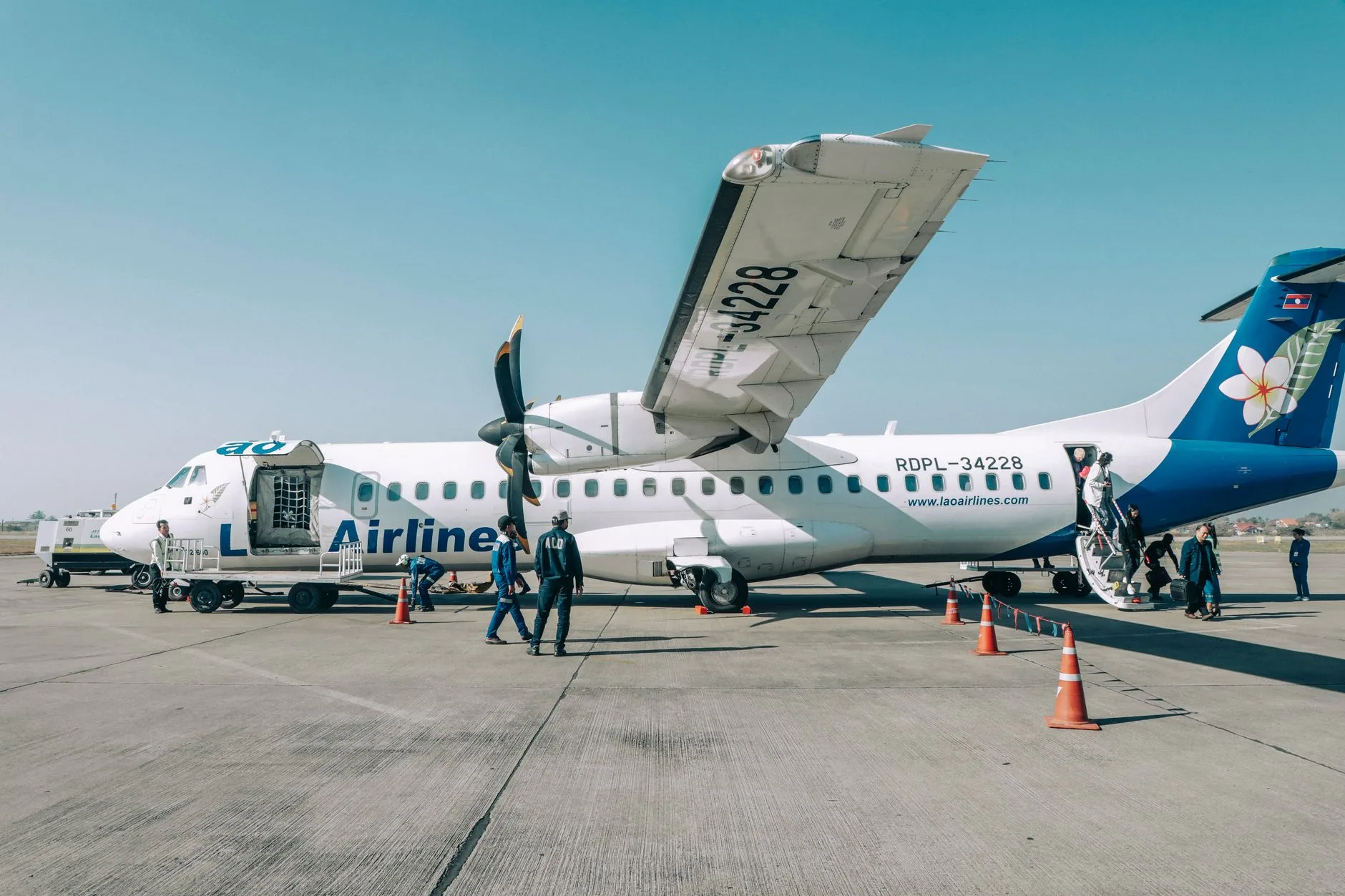
– By air: Luang Prabang (LPQ) and Vientiane (VTE) receive international flights. Bangkok (2 hours), Hanoi (1.5 hours), Siem Reap (1.5 hours) are the most common connections.
– Overland: From Thailand via the Friendship Bridge border crossings (the 4th Bridge at Houayxay/Chiang Khong is popular for the slow boat route into Luang Prabang); from Vietnam at several crossings; from Cambodia in the south.
Luang Prabang
The cultural and spiritual heart of Laos — a UNESCO-protected city at the confluence of the Nam Khan and Mekong rivers. The old town is a peninsula of French colonial architecture and ornate Buddhist temples (wats) — more than 30 temples within the city limits. The morning alms-giving ceremony (tak bat) — where monks in saffron robes walk through the streets collecting rice from residents at dawn — is one of the most photogenic and meaningful Buddhist rituals in Southeast Asia. (Approach it respectfully — tourist crowding and disruptive photography have become an issue.)
The town is compact and walkable. The night market on the main street runs nightly. The hill above the town (Phousi Hill) provides a 360-degree view of the city and river junction at sunset.
Day trips from Luang Prabang:
– Kuang Si Falls: A series of turquoise travertine pools and waterfalls 30km from town — one of the most beautiful freshwater swimming spots in Southeast Asia. Go early to beat the crowds.
– Pak Ou Caves: Limestone caves at a river confluence, filled with thousands of Buddha statues left by pilgrims over centuries. Accessible by boat up the Mekong.
Vang Vieng
A mountain-ringed town on the Nam Song River — and, due to its geography, one of the most beautiful settings in Laos. It is also the party town of the country, known for tubing (floating down the river in rubber tubes) and its bar culture. The town has two faces: the traveller infrastructure of bars and guesthouses, and the extraordinary limestone karst landscape surrounding it.
For those interested in the landscape rather than the nightlife: the Blue Lagoon swimming holes, the kayaking on the Nam Song, the balloon rides over the mountains at dawn, and the cycling through the surrounding villages are excellent. The caves (Tham Chang, Tham Phu Kham) in the mountains outside the town are interesting.
From Vang Vieng: Well-connected to Vientiane (3 hours by bus or the Laos-China Railway) and Luang Prabang (4 hours by road).
Vientiane
The Laos capital is the smallest and most relaxed capital in Southeast Asia. The Patuxai monument (a version of the Arc de Triomphe, built with US-donated concrete during the Cold War), the Presidential Palace, and the That Luang stupa (the most important national monument in Laos) are the main sights. The COPE visitor centre (covering the UXO/unexploded ordnance crisis left from US bombing in the Vietnam War era) is the most important museum in the country.
Vientiane is a stopover rather than a destination — allow a day.
The Slow Boat to Luang Prabang
The two-day slow boat journey from Houayxay (on the Thai-Laos border) to Luang Prabang along the Mekong is one of the great Southeast Asian travel experiences. Long wooden boats carry passengers (and some cargo) along the river, stopping overnight at Pakbeng.
The boat provides an immersive view of the Mekong’s banks — villages, fishing activity, forested hills, and the river’s constant movement. It’s comfortable rather than luxurious (wooden bench seats; speedboats are faster and far less comfortable). Take the slow boat.
Northern Laos
The mountains north of Luang Prabang — Muang Ngoi Neua, Nong Khiaw, and the Phongsali province — contain some of the most remote and beautiful landscapes in Laos, and some of the least touristed. Muang Ngoi Neua (accessible by boat from Nong Khiaw) is a small village with no road access, surrounded by limestone mountains. The trek from Muang Ngoi to surrounding hill tribe villages is one of the most rewarding day hikes in the region.
4,000 Islands (Si Phan Don): In the far south, where the Mekong widens into a vast network of islands and channels at the Cambodian border. Don Det and Don Khon are the main traveller islands — extremely relaxed, with excellent freshwater swimming, cycling, and the Irrawaddy dolphins visible at the Khon Phapheng Falls.
Costs
Laos is one of the cheaper countries in Southeast Asia, though prices have risen in Luang Prabang particularly:
| Item | Approximate cost |
|---|---|
| Hostel dorm (Luang Prabang) | £5–10 |
| Budget guesthouse (private room) | £10–25 |
| Laap (traditional minced meat salad) at a local restaurant | £2–4 |
| Baguette with filling (colonial legacy street food) | £0.60–1.20 |
| Laos Beer (Beer Lao) | £0.80–1.50 |
| Slow boat (Houayxay–Luang Prabang, 2 days) | £25–35 |
Daily budget: £20–35 in most of Laos; slightly higher in Luang Prabang.
Practical Notes
UXO awareness: Laos is the most bombed country in history per capita (from the US bombing campaign during the Vietnam War, 1964–1973). UXO (unexploded ordnance) remains a hazard in rural areas — do not leave marked paths when hiking in rural Laos.
Dress: Conservative dress is expected near temples and in rural areas. Cover shoulders and knees.
Conclusion
Laos rewards travellers who come without rushing:
- Luang Prabang requires 3–4 days — the temples, Kuang Si Falls, and the evening rhythm of the town justify the time
- Take the slow boat from Thailand rather than flying — one of the great Southeast Asian journeys
- Northern Laos beyond Luang Prabang is where the real remoteness begins — Muang Ngoi Neua is the best starting point
- Beer Lao is excellent — the national beer is a point of pride and very cheap
- Respect the tak bat — the morning alms ceremony is a genuine religious practice, not a tourist spectacle; approach quietly
Keep reading: How to travel solo in Vietnam: practical tips