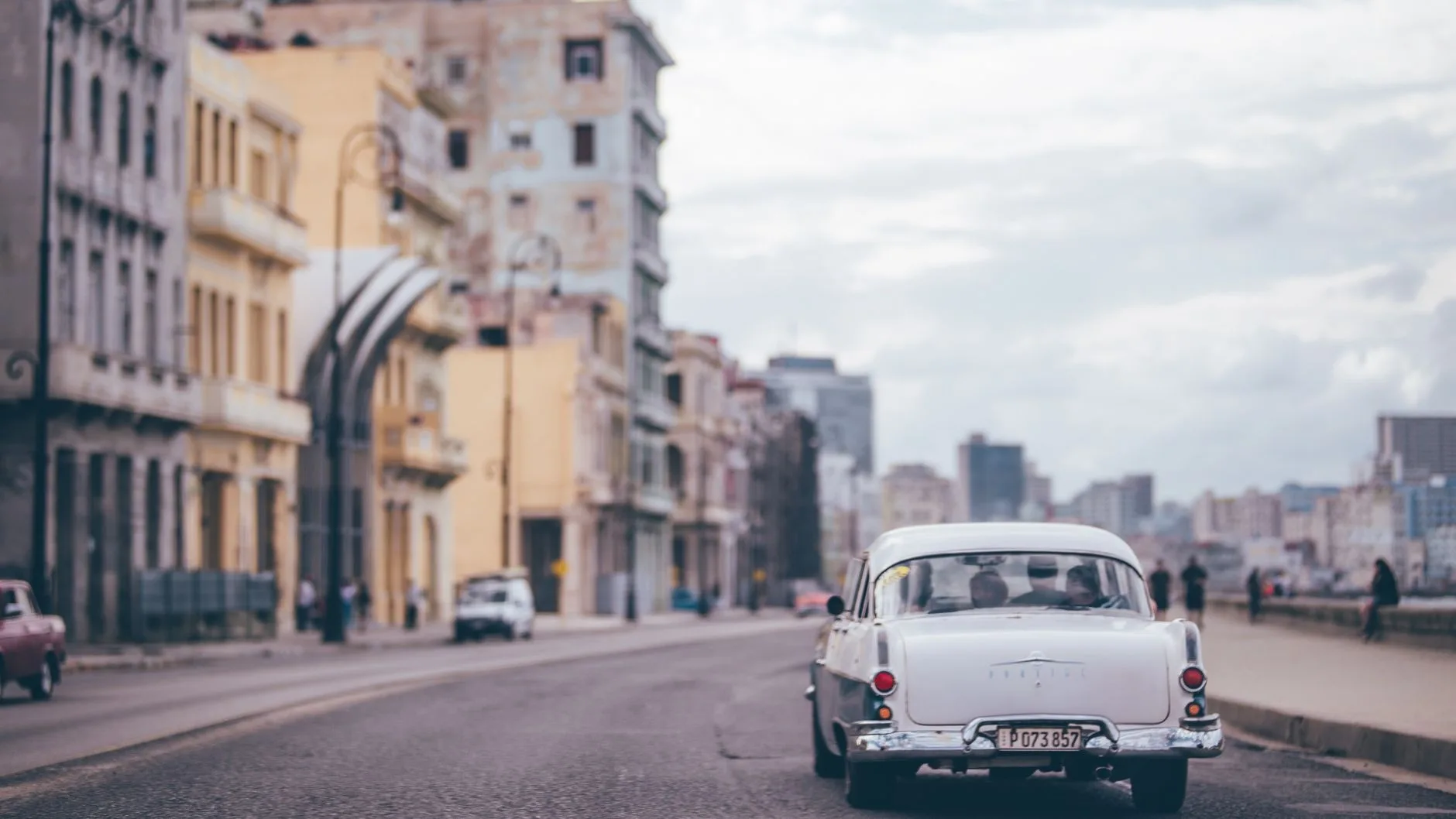
Photo by Yuting Gao on Pexels
The horse-drawn cart clatters over cobblestones on Calle Simón Bolívar in Trinidad just after six in the morning, before the heat sets in and before the tour buses arrive from the coast. A woman sweeps the front step of her casa particular with a palm-frond broom. Somewhere behind a shuttered window, a tres guitar is being tuned, badly, then well. This is not Havana — no sea wall, no vintage Chevrolets queued for photographs, no crumbling grandeur competing for your attention on every block. It’s quieter, smaller, and in many ways more revealing of what Cuba actually is when the capital’s noise falls away.
Havana earns its reputation, and most visitors rightly start there. But Cuba is a long, narrow island — over 1,200 kilometres from Pinar del Río to Guantánamo — and its most memorable experiences are often three, six, or twelve hours down the road. This guide covers the towns and regions worth the detour, the logistics of actually getting to them, and the practical realities — cash, connectivity, transport delays — that don’t make it into the brochure.
Trinidad: Cobblestones, Casas, and the Valley of Sugar Mills
Trinidad, on the south-central coast about 320 kilometres from Havana, is a UNESCO World Heritage town frozen somewhere in the 1850s, when sugar money built its pastel mansions and terracotta roofs. The Plaza Mayor is the obvious centre — flanked by the Museo Romántico and the ochre bell tower of the former Convento de San Francisco — but the real texture is in the surrounding streets, where casas particulares (private homestays, usually a room in a family home with breakfast included) far outnumber hotels.
Climb the bell tower for a view over the rooftops, then walk or take a horse-drawn taxi out to the Valle de los Ingenios, a valley of former sugar plantations dotted with the ruins of mills and slave quarters — a sobering counterpoint to the town’s postcard prettiness. The Manaca Iznaga tower, once used to oversee enslaved labourers in the cane fields, still stands and can be climbed for a few CUP.
In the evenings, the steps of the Casa de la Música fill with locals and visitors dancing salsa and casino under the open sky — free to watch, a small cover if you want a table. For food, La Botija and Paladar San José both serve solid versions of ropa vieja and moros y cristianos, but the better meals in Trinidad tend to come from the casas themselves, where a home-cooked dinner of langosta (lobster) or fresh red snapper runs $8–15 and beats most restaurant menus.
Viñales: Tobacco Country and the Mogotes
West of Havana, about 180 kilometres, Viñales sits in a valley ringed by mogotes — steep, forested limestone hills that look almost unreal in the early morning mist. This is Cuba’s premier tobacco-growing region, and the valley floor is worked by ox-drawn ploughs much as it was a century ago.
Walking or horseback routes through the valley pass working tobacco farms (vegas), where farmers will show you how leaves are hung and cured in thatched-roof sheds called casas de tabaco, and often offer a hand-rolled cigar on the spot — worth doing once, though the quality varies and the “best cigars in Cuba” claim gets made at every single farm. The Cueva del Indio, a cave system partly explored by boat along an underground river, makes a good half-day trip, as does the shorter hike up to the Mirador de los Jazmines for a sunset view over the whole valley.
Viñales moves at a slower pace than Trinidad and attracts a similar mix of backpackers and independent travellers who might also enjoy the pacing described in backpacking Central America on a shoestring budget — the same instinct for cheap, unhurried, conversation-heavy travel applies here, even though Cuba sits outside that region geographically.
Cienfuegos and the Bay of Pigs: Colonial Elegance Meets Cold War History
Cienfuegos, on the south coast between Havana and Trinidad, was founded by French settlers in 1819 and still carries a distinct architectural character — colonnaded buildings around the Parque José Martí, the pastel Palacio de Valle with its Moorish flourishes, and a waterfront promenade, the Malecón de Cienfuegos, that’s far calmer than Havana’s version.
South of the city, Playa Girón and the surrounding wetlands mark the site of the 1961 Bay of Pigs invasion. The small Museo Girón documents the battle from the Cuban perspective, with wreckage and photographs that make for a genuinely sobering hour. Beyond the history, the coastline here — particularly around Caleta Buena — offers some of the clearer, less-visited snorkelling and diving on this side of the island, with coral formations close enough to shore to reach without a boat.
Santiago de Cuba: The Cradle of Cuban Music and Revolution
Santiago, 860 kilometres southeast of Havana near the base of the Sierra Maestra mountains, feels like a different country — hotter, more Afro-Caribbean in its rhythms, and historically the seat of both the Cuban revolution and much of the island’s musical heritage. Son, bolero, and trova all trace roots here, and the Casa de la Trova on Calle Heredia has hosted live music nightly for decades, in a room barely bigger than a living room.
The Cuartel Moncada, site of Fidel Castro’s failed 1953 attack that gave the revolution its name (the 26th of July Movement), is now a school and museum with bullet-scarred walls left visible. Above the city, the Cementerio Santa Ifigenia holds José Martí’s mausoleum, guarded around the clock, with a changing-of-the-guard ceremony every half hour that draws a modest, respectful crowd rather than a tourist scrum.
Santiago’s Carnival, held in July, is the largest and oldest in Cuba — louder, hotter, and more chaotic than anything Havana puts on, with comparsas (dance troupes) parading through the Trocha and Avenida Garzón. If your dates align, it’s worth restructuring an entire itinerary around.
Camagüey: The Maze City and Its Ceramics
Camagüey, roughly halfway between Havana and Santiago, was laid out deliberately as a labyrinth of narrow, winding streets to confuse pirates raiding from the coast — a defensive logic that still disorients visitors with a map five centuries later. Its churches, particularly the Iglesia de Nuestra Señora de la Soledad and the Iglesia del Sagrado Corazón de Jesús, are worth ducking into for their cool stone interiors and faded frescoes.
The city’s tinajones — enormous earthenware jars once used to collect rainwater — appear as decoration on street corners and courtyards throughout the historic centre, and the small ceramics workshops in the Barrio de la Caridad still produce them by hand. Camagüey sees a fraction of the visitor numbers Trinidad does, which makes its plazas and paladares feel unhurried in a way that’s increasingly rare on the well-trodden southern route.
Getting Around: Buses, Colectivos, and the Hershey Train
Viazul is the state bus company most visitors rely on, running air-conditioned coaches between major towns with fixed schedules and ticket prices in CUP (payable in cash, sometimes card at the terminal, though machines are unreliable). Havana to Trinidad runs about 5–6 hours and costs roughly $25–30; Havana to Santiago is a long haul at 13–15 hours, and most travellers break it up rather than doing it in one go.
Colectivos — shared taxis, usually vintage American cars or newer Ladas — cover the same routes faster and more flexibly, for a similar or slightly higher price, and are worth arranging through your casa host a day or two in advance rather than showing up at a taxi stand and negotiating cold.
The Hershey Train, an electric railway built by the American chocolate company in the 1920s to link Havana with Matanzas, is a slower and far less reliable option, with service that’s been suspended and restored repeatedly over the years — check locally before planning around it, and treat any timetable as aspirational rather than fixed.
| Region | Distance from Havana | Typical travel time | Best for | Best season |
|---|---|---|---|---|
| Trinidad | ~320 km | 5–6 hrs (Viazul) | Colonial architecture, live music, casas particulares | Nov–Apr (dry) |
| Viñales | ~180 km | 3 hrs | Tobacco farms, hiking, caves | Nov–Apr |
| Cienfuegos / Bay of Pigs | ~250 km | 4 hrs | Colonial waterfront, diving, Cold War history | Dec–Apr |
| Santiago de Cuba | ~860 km | 13–15 hrs (or fly) | Music heritage, revolution history, Carnival (July) | Nov–Mar; July for Carnival |
| Camagüey | ~530 km | 8–9 hrs | Quiet colonial streets, ceramics, low crowds | Nov–Apr |
Money, Connectivity, and Casas Particulares: The Practical Reality
Cuba runs on cash. Since the 2021 currency unification, the Cuban peso (CUP) is the sole official currency, but foreign cards — particularly those issued by US banks — generally don’t work at all, and even non-US cards face frequent outages at ATMs. Bring US dollars or euros in cash to exchange at a CADECA bureau or, more commonly now, to pay directly, since many casas, private taxis, and paladares accept USD informally at a better rate than the official exchange.
Internet access is improving but still frustrating by most standards: hotel wifi is patchy, and public wifi requires a Nauta card bought from an ETECSA office, with data speeds that make streaming anything close to impossible. Budget for a few offline days, particularly outside Havana and Santiago.
Casas particulares remain the backbone of independent travel in Cuba — usually $20–35 a night including a substantial breakfast, and often the best source of local advice on transport, food, and what’s actually open that week. Booking a night or two ahead by messaging the host directly (many now use WhatsApp) is more reliable than turning up unannounced, especially in high season between December and March.
Anyone weighing up whether Cuba suits solo travel will find much of the same calculus that applies to backpacking through Central America or the shoestring routes covered in guides to Colombia — improvisation, patience, and a tolerance for plans that shift by the hour.
The Bottom Line
- Don’t try to cover Trinidad, Viñales, Santiago, and Camagüey in one trip unless you have three weeks or more — the distances and unreliable transport punish rushed itineraries.
- Bring more cash than you think you’ll need, in USD or euros, and expect card payments to fail more often than they succeed.
- Book casas particulares directly with hosts where possible; they’re cheaper, more informative, and often better fed than any hotel.
- Santiago de Cuba rewards the long journey with a cultural depth — music, history, Carnival — that Havana and the southern coast towns don’t offer.
- Treat published transport schedules, especially the Hershey Train, as a starting point for negotiation with reality, not a guarantee.
Keep reading: What to actually see on your first trip to Havana