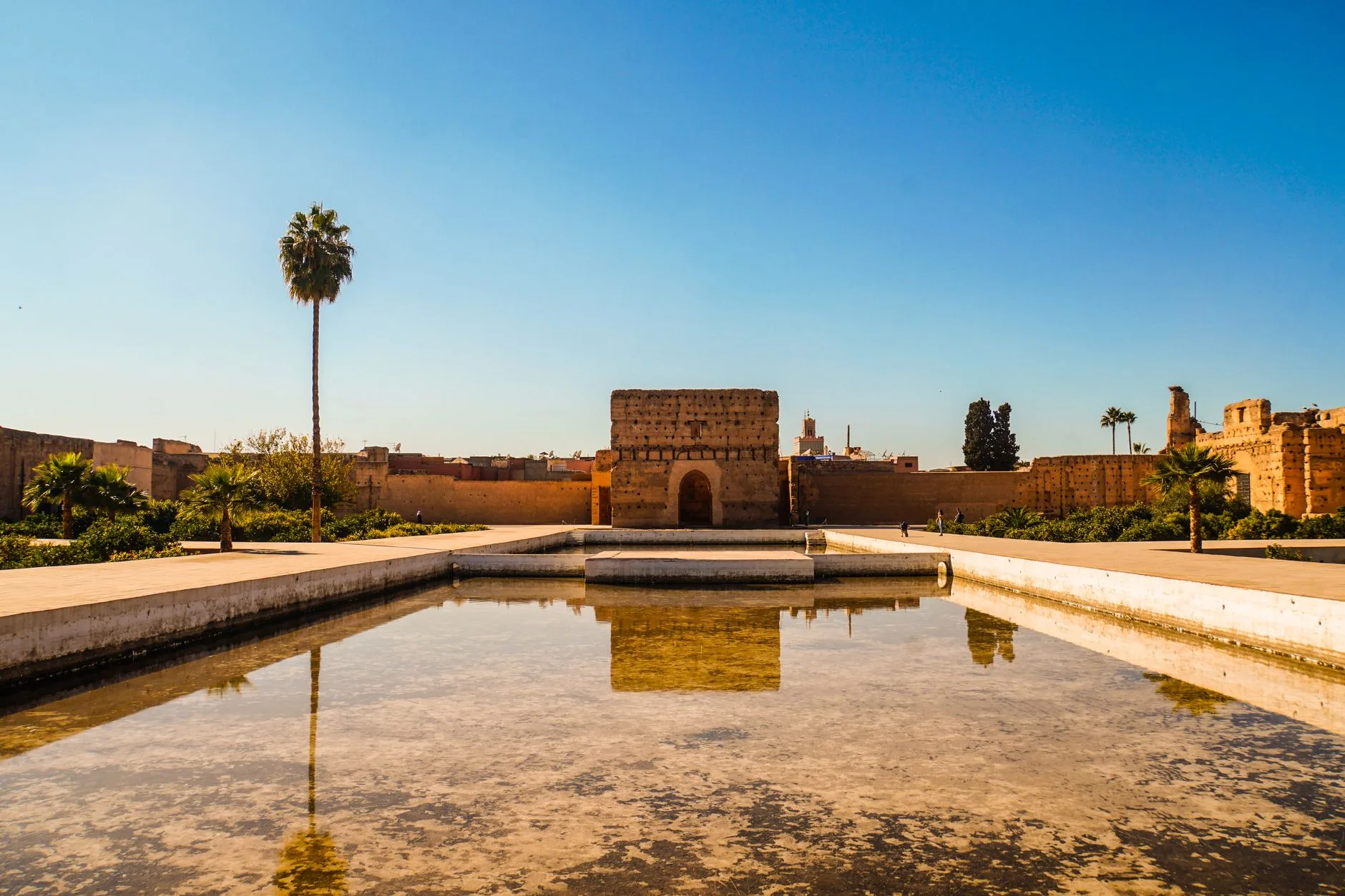
Photo by Domenico Bertazzo on Pexels
The 7:40am train from Casablanca to Fes pulls out of the station with the particular clatter of Morocco’s ONCF rolling stock — not fast, not quiet, but reliably on time and startlingly cheap for what it covers. Outside the window, the flat wheat plains around Meknes give way to the first folds of hills, and by the time the trolley attendant comes through selling instant coffee in paper cups, the carriage has filled with students heading home, a few wool traders, and exactly one other tourist, reading a guidebook that still calls Marrakech “the Red City” as if that settles anything.
Marrakech earns its reputation, but it has also become expensive in ways that catch budget travellers off guard: riad prices in the medina have crept toward European levels, and the Jemaa el-Fna snake charmers now expect payment for photos taken from thirty metres away. The rest of Morocco has not followed suit at the same pace. This guide covers the country beyond the Koutoubia minaret — where to go, how to move between places cheaply, what things actually cost, and where the budget math gets harder than people expect.
Getting Around Without a Rental Car
Morocco’s train network, run by ONCF, is the backbone of budget travel here and it’s genuinely good — clean, frequent, and inexpensive. The main line runs Tangier–Rabat–Casablanca–Marrakech, with a branch east to Fes and Meknes. A second-class ticket from Casablanca to Fes runs around 120–140 Moroccan dirham (roughly €11–13), and first class, which is worth the small upcharge for guaranteed seating, adds maybe 50 dirham more.
Where the trains don’t go — the Atlas Mountains, the desert towns, Chefchaouen, Essaouira — you’re in CTM or Supratours bus territory. CTM is the state-affiliated company and the one to default to: air-conditioned, ticketed seats, and offices in every town that matter. Supratours partners directly with ONCF and is the better choice for routes like Marrakech to Essaouira. Expect to pay 80–150 dirham for a three-to-four-hour journey.
Grand taxis — usually aging Mercedes sedans — fill a gap between buses and private hire. They run fixed routes and leave when full (six passengers, which means your knees will know the driver’s gear stick personally). A shared grand taxi from Marrakech to Imlil costs around 25–30 dirham per seat; chartering the whole car costs more but gets you there in under an hour instead of waiting for the car to fill.
Chefchaouen: Beyond the Blue Photographs
Chefchaouen’s blue-washed medina has become one of the most photographed corners of Morocco, and it earns the attention — the cobalt walls genuinely do turn the alleys a strange, cool colour at midday. But most visitors treat it as a two-hour photo stop between Tangier and Fes, which means they miss what actually makes it worth a longer stay.
Base yourself in a guesthouse near Plaza Uta el-Hammam rather than one of the hotels on the outskirts, and budget 150–250 dirham a night for a simple room with a terrace. From there, the Rif Mountains open up directly behind town: the walk up to the Spanish Mosque ruin takes about forty minutes and delivers the best sunset view over the medina, free of charge and largely free of crowds. For something longer, hire a local guide in town (official guides register with the tourism office and charge roughly 200–300 dirham for a half-day) for the hike to the Akchour waterfalls, about an hour outside town by shared grand taxi — a riverside trail through walnut groves ending at a swimming hole beneath a cascade. Bring proper shoes; the rocks near the falls are slick year-round.
Eat at the small unmarked spots around Souika street rather than the restaurants ringing the main plaza — a bowl of harira soup with dates and a loaf of khobz bread costs 15–20 dirham and will out-eat anything on the tourist menus nearby.
Fes: The Medina That Rewards Getting Lost in It
Fes el-Bali is the oldest and largest car-free urban area in the world, by most reasonable estimates, and it is genuinely disorienting in the way Marrakech’s medina no longer quite is — fewer motorbikes, more donkeys hauling leather and timber through alleys barely a metre wide. The tanneries at Chouara are the famous stop, best viewed from the terrace of one of the leather shops that surround the pits (a small tip of 20–30 dirham is expected if you take the view without buying anything).
Budget accommodation in Fes runs cheaper than Marrakech for comparable quality — a clean riad room with breakfast in the medina costs 200–350 dirham, against 400+ in Marrakech for similar standard. The Nejjarine Museum of Wooden Arts and Crafts, housed in a restored 18th-century funduq, costs around 20 dirham and offers one of the few quiet, shaded courtyards in the old city to sit and recalibrate.
Food-wise, this is where to eat pastilla — the sweet-savoury pigeon or chicken pie dusted with cinnamon and sugar — done well at modest places like the stalls around Place R’cif rather than the tourist-oriented restaurants near Bab Boujloud. A full meal with bread and mint tea rarely exceeds 50–60 dirham.
The Atlas Mountains: Imlil and Toubkal Without a Trekking Agency
Imlil, the trailhead village for Jebel Toubkal (North Africa’s highest peak at 4,167 metres), sits about an hour and a half from Marrakech by grand taxi. It has become a genuine trekking hub, and while plenty of agencies in Marrakech will sell a packaged two-day Toubkal ascent for upward of €150, it’s entirely possible to arrange the same trek far more cheaply once in the village itself.
Gîtes (mountain guesthouses) in Imlil and the higher villages of Aremd and Around charge 100–150 dirham for a bed and dinner — usually a tagine cooked over a wood fire, eaten communally. A certified mountain guide, required by law for the Toubkal ascent (the terrain and altitude are not casual), costs around 400–600 dirham per day when hired directly through the Bureau des Guides in Imlil rather than through an agency markup. Mules to carry gear run separately, about 150 dirham a day.
The ascent itself is a two-day affair: a steady climb to the Toubkal Refuge (3,207m) on day one, then a pre-dawn summit push on day two timed to catch sunrise from the top before clouds build. July through September is the reliable window; outside that, snow and ice on the final scramble require crampons and considerably more technical skill. For those not after a summit, the lower trails around Imlil — through the walnut terraces to Tizi Oussem — offer a full day’s walking without the altitude.
Essaouira: The Coast Without the Agadir Price Tag
Essaouira’s old medina, a UNESCO World Heritage site, sits inside 18th-century Portuguese-built ramparts on the Atlantic coast, and the wind that made it a windsurfing destination also keeps the heat bearable in summer when inland Morocco is unbearable. Supratours buses run direct from Marrakech (around three hours, 80–100 dirham), making it an easy add-on rather than a separate trip.
Budget rooms in the medina — not on the seafront, where prices climb — run 150–250 dirham. The real draw for food is the port itself: fishermen sell the day’s catch at stalls right on the quay, and you pick your fish, have it grilled on the spot, and eat at a plastic table for around 50–70 dirham including bread and salad. It is, without much competition, the best value meal in the country.
Argan oil cooperatives dot the road between Marrakech and Essaouira, many run by women’s collectives — a stop worth making if you have your own transport, both for the product and for seeing the actual pressing process rather than buying it blind in a Marrakech souk.
The Sahara: Managing Expectations and Costs
Merzouga, on the edge of the Erg Chebbi dunes, is the standard gateway for desert camps, usually sold as a multi-day trip from Marrakech or Fes. These trips vary wildly in quality and price — budget options run €40–60 per day including transport, camp, and meals, while the camps marketed toward luxury travellers run several times that for the same dunes and marginally nicer tents.
The honest logistics: it’s a long haul regardless of route — around 9 to 10 hours from Marrakech via the Tizi n’Tichka pass, or a shorter run from Fes via the Ziz Valley and the Todra Gorge, both roughly 7 to 8 hours. Breaking the journey is strongly advisable rather than a false economy; Todra Gorge itself, with its 300-metre rock walls pinching a narrow river canyon, is worth a night’s stop on its own, with simple guesthouses from 100 dirham. Camel treks into the dunes at sunset are near-universal in the camp packages; the overnight in a Berber tent, under genuinely dark skies, is the part worth the detour, not the camel ride itself, which is short and a little undignified for both rider and animal.
What Things Actually Cost
| Expense | Typical cost (dirham) | Notes |
|---|---|---|
| Dorm bed / budget guesthouse room | 80–200 | Cheaper outside Marrakech and Essaouira seafront |
| Train, 2nd class (Casa–Fes) | 120–140 | Book same-day at station, no need to pre-book |
| CTM/Supratours bus (3–4 hrs) | 80–150 | Buy a day ahead for popular routes |
| Shared grand taxi (short hop) | 15–35 | Price per seat; confirm before boarding |
| Street meal (harira, tagine stall) | 20–50 | Medina-adjacent restaurants cost double |
| Mountain guide (per day, Toubkal) | 400–600 | Legally required, hire via Bureau des Guides |
| Hammam visit (public) | 15–20 | Bring your own soap and scrubbing glove |
| Mint tea, anywhere | 5–15 | Varies by how close you are to a tour bus stop |
A realistic daily budget outside Marrakech, staying in simple guesthouses, eating at local spots, and moving by bus and train, lands around 350–500 dirham (roughly €32–46) per person per day, excluding the guided mountain or desert trips, which are worth budgeting separately.
Honest Friction Points
Bargaining is expected in souks but increasingly performative in heavily touristed spots — vendors in Chefchaouen and Essaouira have grown accustomed to tourists who concede too quickly, which pushes prices up for everyone after. A useful habit: ask a few locals or guesthouse staff what something should cost before you’re standing in front of the stall.
Ramadan changes the rhythm of the whole country — many restaurants outside tourist zones close during daylight hours, and bus schedules shift. Travelling during Ramadan isn’t a problem, but it requires more planning around food than usual.
Unofficial guides touting business near train stations and bus stands, particularly in Fes, can be persistent. A firm “la, shukran” (no, thank you) usually ends it; engaging in conversation tends to prolong it.
The Bottom Line
Morocco’s budget travel value gets noticeably better the further you move from Marrakech’s main tourist circuit — not because Marrakech isn’t worth visiting, but because prices there have adjusted to a different kind of traveller. Chefchaouen and Essaouira both reward a slower, multi-day stay over a day trip. The Atlas treks are genuinely cheaper and more flexible arranged on the ground in Imlil than pre-booked from an agency abroad. And the ONCF train network, underused by visitors who default to tour buses, is one of the best budget transport systems anywhere in North Africa — similar in spirit to the long-distance rail options covered in guides to budget travel in Egypt beyond the pyramids, where the real value also sits outside the headline sights. If there’s one adjustment worth making before landing, it’s mental: treat Marrakech as the introduction, not the destination, the way travellers heading into the best national parks in Africa treat the gateway city as a staging point rather than the main event.
Keep reading: Budget Travel in Egypt: Beyond the Pyramids